




(This article was originally published in The Times of Israel. Read the original post here ).
They scroll before they speak.
They react before they reflect.
And long before they vote, their minds have already been shaped.
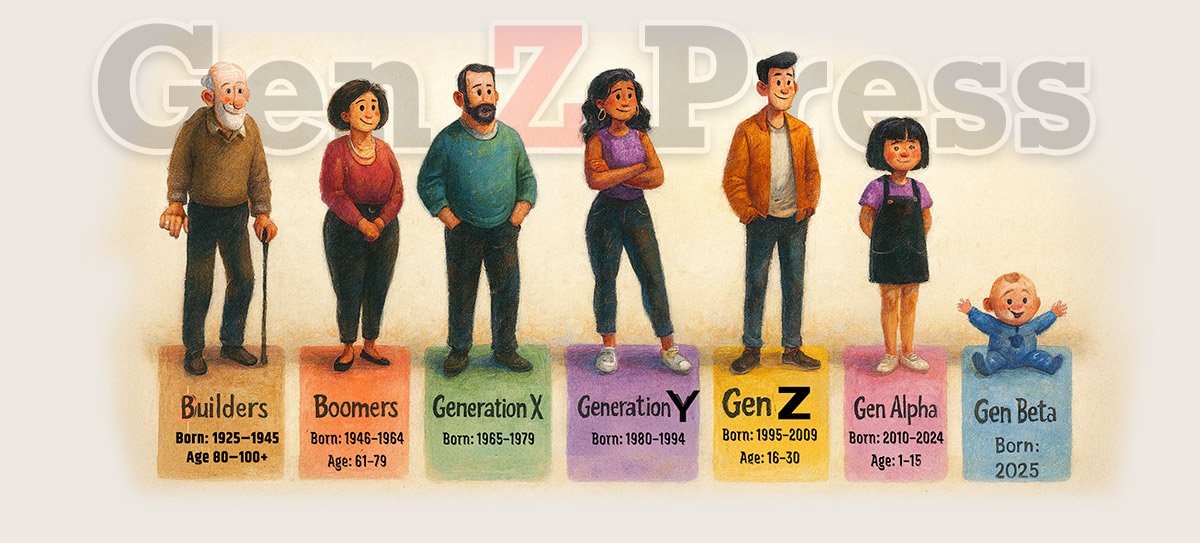
Gen Z—those born into screens, notifications, and infinite feeds—is often described as informed, progressive, and fearless. But beneath the glow of smartphones and viral slogans lies a deeper, more unsettling question: Is Gen Z thinking independently, or simply moving with the digital crowd?
Research suggests the answer is not simple. Nearly 44 percent of Gen Z form their social and political views primarily through social media. In Nepal, where democracy itself is still evolving, and public trust in institutions remains fragile, this raises a critical concern: Is Gen Z becoming a conscious political force—or dissolving into a digital mass?
When the Individual Disappears: The Power of the Digital Crowd
More than a century ago, French social psychologist Gustave Le Bon warned that individuals behave very differently once they become part of a crowd. Personal reasoning fades. Emotional contagion takes over. A new entity is born—the “collective mind.”
Fast forward to the 21st century, and the crowd no longer gathers in streets alone. It gathers on timelines.
Gen Z may be educated, tech-savvy, and globally connected—but once inside the digital crowd, logic often bows to emotion. Online anonymity lowers moral restraint. Responsibility becomes diffused. Even otherwise calm individuals may join digital pile-ons, outrage campaigns, or cancel culture movements, not because they deeply believe—but because everyone else already has.
The screen offers protection.
The crowd offers belonging.
And together, they silence doubt.
Why Gen Z Feels Politically Lost
Despite being vocal online, Gen Z often struggles to articulate a clear political direction offline. Several forces explain this contradiction.
1. A Future That Feels Broken
Rising inflation, unemployment, global conflicts, climate anxiety, and economic uncertainty have chipped away at Gen Z’s belief in long-term stability. Many feel the system is rigged, that their participation—especially voting—has little real impact. When hope fades, apathy quietly replaces it.
2. Loud Causes, Quiet Convictions
Gen Z passionately supports climate action, social justice, and equality. Yet many hesitate to openly declare their political beliefs. Surveys show that one in three Gen Z individuals admits to hiding or altering their political views—sometimes to avoid conflict, sometimes simply to fit in. Authenticity is sacrificed for acceptance.
3. Emotion Beats Evidence
In the digital ecosystem, facts rarely go viral—but emotions do. A powerful image, a tragic story, or an angry slogan travels faster than policy analysis or economic data. Gen Z, like crowds before them, responds more readily to emotional narratives than to complex debates. Trends replace thought. Virality replaces verification.
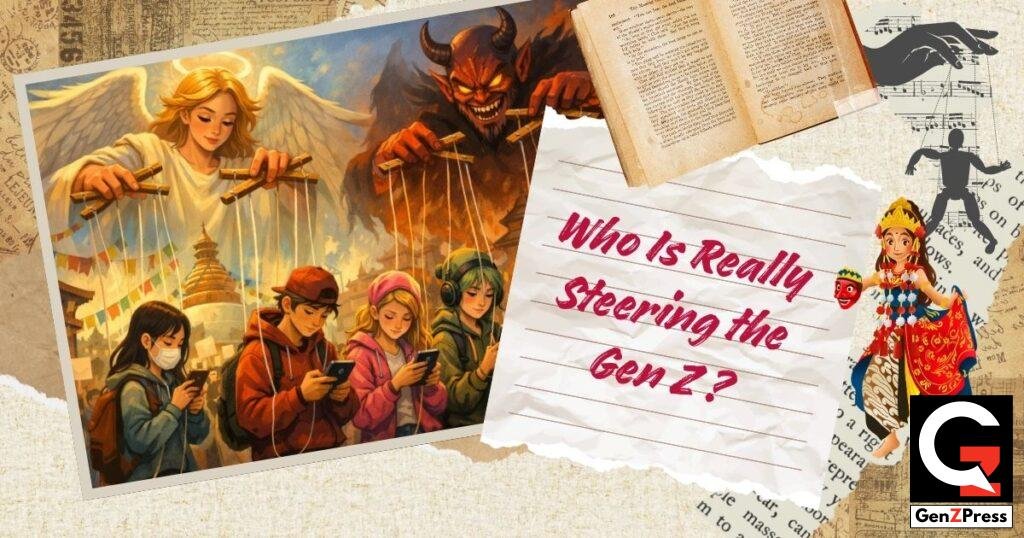
Who Is Really Steering the Generation?
No single leader controls Gen Z. Instead, influence comes from a web of psychological and technological forces.
The Hunger for Status and Belonging
At its core, Gen Z is driven by recognition—likes, shares, approval, and social validation. Status is currency. Visibility equals worth. This deep desire to belong often pushes individuals to align with dominant opinions, even when they privately disagree.
Algorithms That Think for You
Social media platforms are not neutral spaces. Their algorithms learn, predict, and manipulate attention. Over time, they create echo chambers—reinforcing existing beliefs while filtering out opposing views. Critical thinking slowly goes to sleep, replaced by repetition and emotional reinforcement. The result is a subtle form of digital hypnosis.
The Old Tricks of New Leaders
Modern influencers and political actors use classic crowd-control techniques: repetition, affirmation, and emotional contagion. Say something often enough, loudly enough, and across enough screens—and it begins to feel true. In the digital age, persuasion doesn’t knock on the door. It slips quietly into the subconscious.
The Crossroads
Nepal’s Gen Z is not ignorant. Nor is it powerless. But it is deeply vulnerable to crowd psychology, amplified by technology and emotional fatigue.
History reminds us that civilization advances when individuals rise above the raw instincts of the crowd—when discipline overcomes impulse, and thought triumphs over noise.
For Gen Z, the challenge is urgent and personal:
To pause before sharing.
To question before agreeing.
To think before following.
The future does not need louder voices in the crowd.
It needs clear minds willing to stand apart.
Only then can this generation reclaim its political compass—and place itself, firmly and consciously, on the throne of its own mind.

Krishna Paksha Thapa, (with a stage name KanxeY) is an author, artist and a storyteller from Nepal Based in Israel with a passion for design, art and illustration. Discover his artworks, stories, and creative journey at Kanxey.com.
(Blog - www.krishnathapa.com)