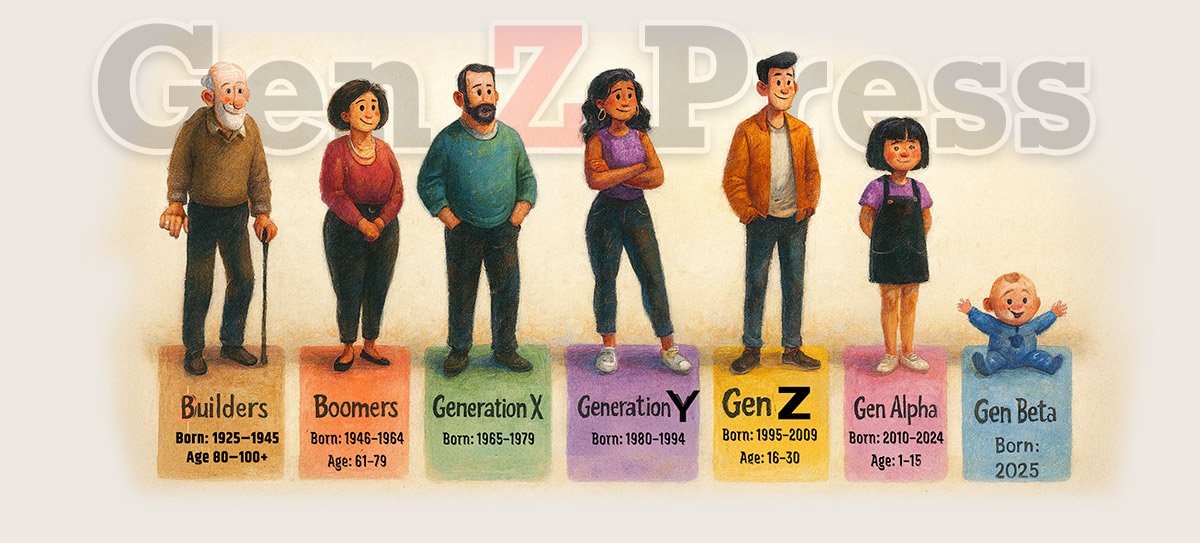






Gen Z, often labeled the digital natives, are fundamentally reshaping the cultural, social, and economic landscapes we inhabit today. Having spent their formative years immersed in a world defined by rapid technological advancements, profound societal shifts, and instant global connectivity, this generation is certainly one to watch.
Whether they are influencing consumer consumption or redefining the rules of the workplace, Gen Z’s power is growing. This cohort, born between the late 1990s and the early 2010s, includes young adults heading into their late twenties and those just entering their early teens in 2025, solidifying them as a powerful market force. To successfully engage with this generation, understanding their defining characteristics—from their financial savvy to their nuanced views on social issues—is essential.
Here are 12 key traits defining Generation Z in 2025, backed by the latest data and insights:
1. Gen Z is Reaching Major Life Milestones
The image of Gen Z as perpetually young is quickly fading as they step firmly into adulthood, rapidly changing their personal and professional lives. Data highlights significant movement toward traditional life milestones:
- Since the previous year, there has been a notable 45% increase in Gen Z individuals reporting that they are married.
- The number of Gen Z individuals who have children has also risen significantly, seeing a 23% jump.
- Professionally, their influence is expanding; 19% of Gen Z are now decision-makers at work, up from 15% in the previous year.
These shifts underscore their growing influence, both within their families and in the corporate environment.
2. They are Pragmatic, Not Lazy, About Work
Recent headlines have painted Gen Z with a broad brush—often associated with “quiet quitting”—leading to an unfair stereotype that they lack commitment or motivation. However, the data reveals a more nuanced reality: Gen Z is fundamentally pragmatic about employment. They place a high value on work-life balance and seek roles that genuinely align with their personal values and long-term goals.
While 39% of Gen Z professionals indicate they might look for a new job in the next six months—a figure higher than the 28% reported by older generations—this movement is driven by a desire for growth and satisfaction, not a lack of work ethic. Flexibility and independence are crucial, making freelancing and side gigs popular choices. Employers who invest in Gen Z’s development and support their independent projects are more likely to earn their loyalty.
3. Anxiety and Mental Health Remain Major Concerns
Mental well-being is a critical issue for this generation. Gen Z is the generation most likely to report being prone to anxiety (28% stating this). The digital world, which is central to their lives, also contributes to stress, with 18% reporting that social media stresses them out.
Since 2020, there has been a concerning 25% rise in Gen Z reporting a mental health condition. This vulnerability underscores the need for proactive measures from brands and employers. Crucially, targeted efforts yield results: Gen Z professionals who receive mental health support at work are 19% more likely to be happy with their jobs.
4. They Are Financially Savvy and Investment-Focused
Contrary to any past notions of financial recklessness, Gen Z is demonstrating significant fiscal responsibility and ambition. Financial planning is paramount:
- In their New Year’s resolutions for 2025, 59% of Gen Z planned to save more money, leading the effort compared to other generations.
- They are also outpacing their predecessors when it comes to investing. Since 2017, there has been a 46% increase in 18-to-27-year-olds in the US and UK holding stocks and shares.
- Over the same period, there was a 29% drop in those who had neither savings nor investments.
These trends showcase a generation that balances caution with ambition, thinking seriously about their financial futures.
5. Travel Is a Top Priority
Experience often trumps material possessions for Gen Z, placing travel high on their list of priorities. Towards the end of 2024, 34% of Gen Z resolution-makers stated plans to travel more frequently in the upcoming year.
International travel is making a strong comeback, rebounding from post-pandemic lows. Between Q3 2020 and Q3 2024, the number of Gen Z individuals planning international trips rose by 17%. When choosing destinations, they prioritize experiences like outdoor adventures, unique cultural activities, and, notably, destinations that offer beautiful photo opportunities.
6. Nutrition Focuses on Health and Balance, Not Fad Diets
While certain aspects of Y2K culture, like fashion trends, have resurfaced, the era of restrictive noughties diet culture is being left behind. Gen Z approaches food with a focus on practicality, balance, and overall health.
For instance, in Europe, the primary motivator for dietary choices between Q3 2022 and Q3 2024 shifted, with improving fitness surpassing weight loss. In the US, the number of Gen Zers who identify as meat-eaters (with no plans to change their diet) increased by 18% since 2020. Their ingredient priorities have also evolved; protein is now the top quality sought in food, having overtaken previous front-of-mind qualities like “natural” and “organic”. This shift illustrates a more realistic and balanced approach, favoring sustainable health benefits over short-lived trends.
7. Environmental Attitudes Are Complex, Favoring Institutional Change
While it’s often assumed that younger generations are inherently more eco-conscious, data suggests Gen Z’s actions diverge from their stated beliefs. Every generation, from Gen Z to Boomers, is equally likely to affirm that helping the environment is important. However, Gen Z is statistically less likely to recycle than their older counterparts.
Instead of focusing purely on individual consumer action, they tend to place the responsibility for change firmly on large organizations and brands. American Gen Zers, specifically, are the least likely to suggest consumers should act sustainably, yet they are the most likely to expect local governments to set an example. This reflects a potential shift in belief toward where the true power to enact change resides: with corporations and institutions.
8. Defining Diversity, Equity, and Inclusion (DEI) Broadly
Gen Z deeply values Diversity, Equity, and Inclusion, but their definition encompasses a wider, more nuanced perspective than that held by older generations. In the US, 30% of Gen Z cite DEI as important, which is 7% above the average.
For Gen Z, DEI goes beyond traditional metrics. They often associate it with workplace initiatives and actively seek better representation for disability, mental health, and language diversity. Furthermore, they are more likely than older groups to highlight the underrepresentation of non-binary and gender-fluid individuals, expecting brands to reflect this diversity in their products, messaging, and actions.
9. Communication Drives Social Media Use
Social media remains integral to Gen Z’s daily routine, but its core function is increasingly focused on staying connected rather than simple scrolling. The platforms they use are evolving to meet this need for intimacy:
- Between 2020 and 2024, the use of TikTok for messaging friends and family among Gen Zers jumped by an impressive 82%.
- Instagram experienced a similar trend, seeing a 28% rise in users logging in specifically for messaging, alongside the growing popularity of Reels.
Platforms like TikTok are responding by enhancing communication tools, such as interactive stickers and group chats, proving that despite all the algorithmic complexity, Gen Z fundamentally wants to message their peers.

10. They Value the Intimacy of Podcasts
Podcasts have become a preferred medium for Gen Z, moving beyond mere background noise to a significant way to connect and tune in. Approximately one in four Gen Z individuals prefer podcasts over other forms of audio. They are especially drawn to content hosted by friends or celebrities they already follow, valuing personal and community-driven content. The rise of video podcasts adds another layer of connection, blending visual and audio content in a format that strongly resonates with them, suggesting that podcasts are a long-term part of their media consumption habits.
11. Gaming is a Means to Connect and Build Skills
For Gen Z, gaming transcends a simple leisure activity; it acts as a vital outlet for connection, skill-building, and even real-world influence. Compared to the average gamer, Gen Z is:
- 33% more likely to play games specifically for the social interactions they provide.
- 27% more likely to engage in gaming to build useful skills.
This mixture of collaboration and real-world relevance makes gaming a powerful tool. For example, through Minecraft’s partnership with UN-Habitat in the Block by Block project, young people worldwide use the game to collaboratively redesign public spaces in their communities. These ideas are then shared with urban planners and sometimes physically constructed, proving that gaming can empower Gen Z to actively shape the physical world around them.
12. They Have High Hopes for Artificial Intelligence (AI)
Gen Z is already integrating AI into their daily lives for practical purposes. Over a third of the generation reported using ChatGPT in the last month, and visual AI tools like Genmoji and Image Playground are quickly gaining traction. They are attracted to AI features that feel creative, personal, and hands-on.
They leverage AI primarily for research, solving problems, or rapidly generating rough ideas, allowing them to speed up processes and focus on more important tasks. However, their adoption is cautious and conditional: if a brand utilizes AI, Gen Z expects clear and transparent communication about its function and purpose, rejecting vague promises or confusing fine print.
The Bottom Line for Marketers and Employers
Gen Z in 2025 is a complex generation, characterized by fascinating contradictions. They possess significant ambitions and innovative ideas but are simultaneously highly attuned to anxiety. They are realistic about the challenges of the world they are inheriting while fiercely committed to shaking up old social norms and industries.
As they challenge existing systems and lay the foundation for new ones, they bring fresh expectations for how brands operate, how companies hire, and how culture evolves. To keep pace and genuinely connect, businesses must move beyond outdated stereotypes and start paying close attention to the nuanced data defining this powerful and evolving generation.
Understanding Gen Z today is like observing a new market forming in real-time; the rules are being written now, and only those who listen and adapt will win.

Gen Z Press delivers trusted and timely global news for the new generation. We bring you world updates, Gen Z trends, entertainment, lifestyle, and digital culture with clarity, simplicity, and accuracy. Stay informed, inspired, and connected with Gen Z Press — your reliable destination for global news and youth-driven stories.
We welcome your opinions at ✉️ letters@genzpress.com