




The Rise of Gen Z: 7 Defining Traits of the Neo-Digital Natives Shaping Our Future
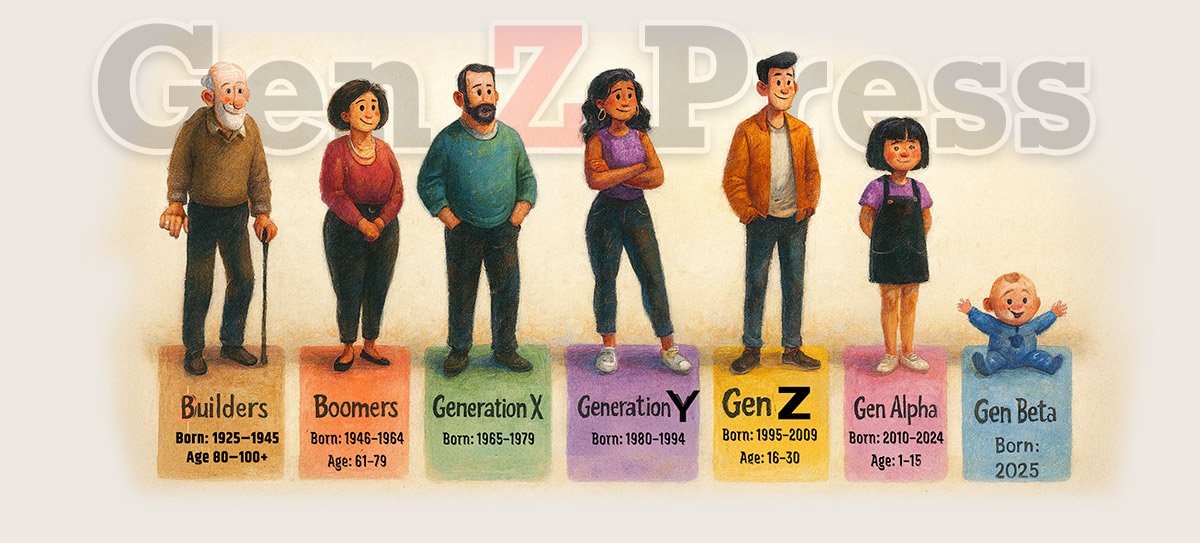
Discussions regarding generational conflict often dominate the news cycle. Much of the current political landscape in various countries is often defined by the opposing viewpoints of Baby Boomers (born from the mid-1940s to mid-1960s) and Millennials (born from the early 1980s to the late 1990s). Boomers are typically characterized as wealthier and more conservative, often concerned with maintaining house prices, while Millennials tend to be socially liberal and focused on the difficulty of entering the property market. Generation X, situated in between, sometimes receives attention. However, the youngest demographic, Generation Z (Gen Z), remains largely overlooked.
Gen Z is defined as those born from the mid-1990s to the late 2000s. They are often ignored because the majority are still under the age of 18, meaning their political views are not frequently analyzed since most cannot yet vote. Furthermore, there is often a flawed assumption that Gen Z is sufficiently similar to the older Millennial generation, negating the need for separate study. This perspective is a mistake, as Gen Z is distinct, different, and possesses unique characteristics that demand attention.
Here are seven defining characteristics of Generation Z:
1. True Digital Natives
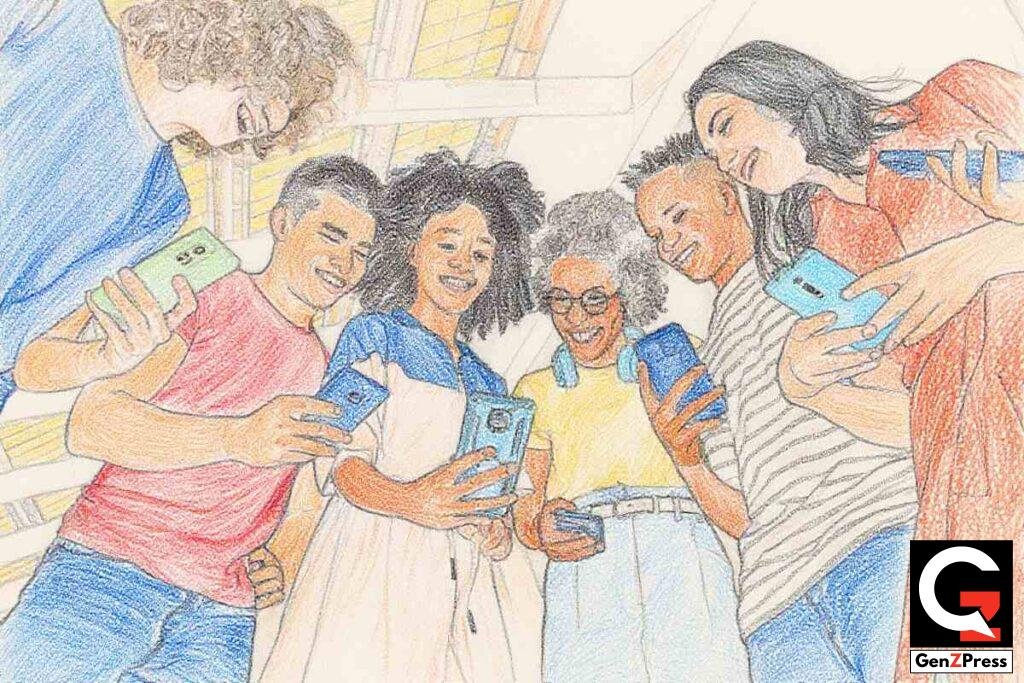
Generation Z is set apart from their predecessors, the Millennials, by their complete immersion in the digital world. Unlike Millennials, Gen Z never had to experience the frustrations of dial-up internet or the inconvenience of brick-shaped mobile phones. They are the first generation for whom the extraordinary technological breakthroughs of the late 20th century are simply a normal aspect of daily life.
They have grown up with the inherent knowledge that instantaneous, global communication is possible. Through various social media platforms, they have been connecting with people worldwide throughout their entire lives. For this demographic, electronics that were once considered luxuries by their parents and older siblings have always been viewed as necessities for navigating the modern world. Due to this seamless relationship with technology, Gen Z has also earned the moniker “neo-digital natives”.
The stark difference between Gen Z and previous generations is evident in consumption patterns. When considering music, for instance, a typical Millennial might remember recording songs from the radio onto tape, then burning CDs, and finally transferring digital music files via Bluetooth. For Gen Z, however, the consumption and sharing of music—as well as other necessities like maps and party invitations—has been exclusively digital. This early, fundamental experience with technology suggests that Gen Z may be better equipped than Boomers, Gen X, or Millennials to adapt to the massive technological changes that they will undoubtedly encounter during their adult lives.
2. Raised in an Unsafe and Cautious World
The second significant factor separating Gen Z from Millennials is their memory, or lack thereof, of the 9/11 terrorist attacks. The oldest members of Gen Z may have been alive but too young to recall the event; for most, 9/11 is purely a historical event that occurred before their birth. Consequently, large-scale international terrorism happening in Western nations does not feel unprecedented or new to them; it is simply the reality they have always known.
This environment of persistent threat helps explain an apparent contradiction in their beliefs: Gen Z is eager to live and work globally, yet they harbor deep anxiety and fear regarding the terrorism, extremism, conflict, and war they might encounter. For Gen Z, this tension is not contradictory; living with the threat of terrorism is the norm, not the exception, and they feel equally susceptible to encountering these dangers whether at home or abroad.
Beyond global terror, Gen Z’s sense of security was further challenged by economics. They were born during or immediately preceding the 2007 financial crisis and the subsequent recession. The early memories of some unfortunate members of this generation include major international financial upheaval, such as family members losing jobs or houses being repossessed. This contrasts sharply with Baby Boomers and Millennials, who were both born during periods of prosperity and typically did not face the consequences of severe economic downturns until they reached their late teens. As a result of this early exposure to financial instability, Generation Z has developed a notable reputation for frugality and caution compared to the generations that came before them.
3. Innately Accepting and Diverse
While Gen Z grew up in a world that felt frightening due to conflict and financial volatility, it simultaneously became a more accepting place socially. They have always operated from a default position of tolerance toward differences.
A clear example is the shift in gay rights: older generations like Millennials and Gen X in the UK remember the intense campaign to repeal Section 28 (legislation that barred the promotion, and effectively the discussion, of homosexuality in schools); for Gen Z, this is distant history. While Millennials often celebrated the gradual introduction of same-sex marriage in various nations, Gen Z members were more likely to express surprise that it wasn’t already legal in so many places.
Although the politics of Gen Z can sometimes lean toward economic conservatism, they view social liberalism as self-evident. They are often horrified by the notion that anyone might think otherwise. This social acceptance is motivated, in part, by the fact that Gen Z is an intrinsically diverse generation. Because their parents often utilized cheap flights and the internet to meet people globally, Gen Z members are more likely than their predecessors to be mixed race and hold more than one nationality. They are also significantly more likely to know peers who are openly transgender. They thrive as a heterogeneous generation.
4. Health-Conscious Lifestyles
Generation Z has benefited substantially from advancements in nutritional science, particularly the understanding that excessive sugar, rather than fat, is often the most damaging component to health. Previous generations developed poor food habits based on what was considered sound advice at the time: Baby Boomers had their fry-ups, Generation X engaged in yo-yo dieting, and Millennials consumed sugar-filled frappuccinos.
Gen Z, by contrast, formed better habits from the start. They are accustomed to consuming their “five-a-day,” and the chocolate and crisps common in the lunchboxes of their predecessors have been swapped for snacks like nuts and fruit.
As they have entered their teenage years, this healthy streak has persisted. Compared to earlier generations, Gen Z is far less likely to start smoking, and a greater number of them abstain from alcohol entirely, not even drinking in moderation. One contributing factor is that this generation can easily socialize with friends online, meaning they spend less time going out to traditional parties than older generations did. However, much of this healthy behavior is also likely due to years of public health campaigns that were originally aimed at breaking the bad habits of older generations, which ultimately encouraged Gen Z to form good ones from the beginning.
5. Sophisticated Value of Privacy
Earlier generations, including politicians, have frequently experienced public setbacks due to poor management of their digital privacy, often forgetting that online content is essentially permanent. Sharing something on social media can be akin to shouting in the town square rather than whispering to a friend.
Gen Z, having grown up online, is not susceptible to this danger. They possess a keen understanding of the crucial distinction between public and private online settings, and as a result, they meticulously guard their communications. This understanding is why Gen Z shows little interest in platforms like Facebook. Instead, they gravitate toward social media where they can easily restrict their interactions to their closest friends or platforms like Instagram, where they can present a carefully curated public image.
However, this privacy consciousness does not extend to all aspects of their digital life. They have matured in a world where it is commonplace for their favorite brands to collect vast amounts of data to tailor marketing communications to their specific needs. Unlike older generations who might view this data collection as an invasion of privacy, Gen Z sees it as an expected marketing technique necessary for a company to provide a positive customer experience. For Gen Z, the contradiction is resolved: they expect their personal communications to remain private, but they expect their customer preferences to be known and catered to. In fact, they may actively avoid brands that fail to offer a sufficiently personalized experience.
6. Entrepreneurial Drive and Financial Realism
Having been raised in a world that failed to provide a constant sense of financial security, Generation Z has integrated this awareness into their future career planning. The Millennial generation was often encouraged to pursue “pipe dreams” and prioritize fulfillment and wealth in creative, exciting careers, only to face disillusionment when access proved difficult. Gen Z is notably more realistic.
Their primary aspiration is often to become entrepreneurs, building their own businesses and avoiding the need to report to a boss. They prioritize financial security. Equipped with all the resources the internet offers, they understand that running a business is hard work, but they are prepared for the effort because they view it as the clearest path to the financial stability they desire. Their goals are optimistic yet pragmatic: rather than aiming to become billionaires before age 30, they dream of innovating an app that allows them to graduate without debt.
Millennials reached adulthood only to be abruptly confronted with the loss of the financial perks their parents enjoyed, such as affordable housing and heavily subsidized university education. Gen Z grew up knowing that they were unlikely to enjoy such benefits and have planned their lives accordingly. This grounded realism is reflected not only in their entrepreneurial spirit but also in their inclination to prioritize careers that offer high pay over chasing abstract goals.
7. Shifting the Boundaries of Adulthood
The traditional line defining childhood and adulthood continues to blur for Gen Z, similar to how it was uncertain for their predecessors in the 1950s, though for different reasons.
Gen Z is delaying traditional adult milestones. The vast majority will continue their education past the age of 18, often proceeding to university. Additionally, the rate of teenage pregnancy among Gen Z girls is projected to be the lowest in a century. Due to growing up in a world that feels unsafe, they have not enjoyed the freedom to roam independently that earlier generations took for granted. They are also significantly less likely to own or know how to operate a car.
Conversely, Gen Z exhibits a type of accelerated maturity in the digital sphere. Their inherent awareness of online dynamics and personal privacy means that even as young teenagers, they are consciously considering what they post, how they communicate, and are actively working toward establishing a deliberate personal brand online. Although this generation faces unique difficulties compared to some of their predecessors, their strong sense of personal identity and their determination to succeed positions them well for the future.
Generation Z is defined by their unique experience of being true digital natives who were concurrently shaped by economic caution and an awareness of persistent global instability. Their acceptance of diversity and focus on health, combined with a savvy approach to their online identities, means they are forging a path that is distinct from those who came before them. They approach the world not as dreamers seeking fulfillment, but as determined realists aiming for entrepreneurial success and financial security.

Gen Z Press delivers trusted and timely global news for the new generation. We bring you world updates, Gen Z trends, entertainment, lifestyle, and digital culture with clarity, simplicity, and accuracy. Stay informed, inspired, and connected with Gen Z Press — your reliable destination for global news and youth-driven stories.
We welcome your opinions at ✉️ letters@genzpress.com