




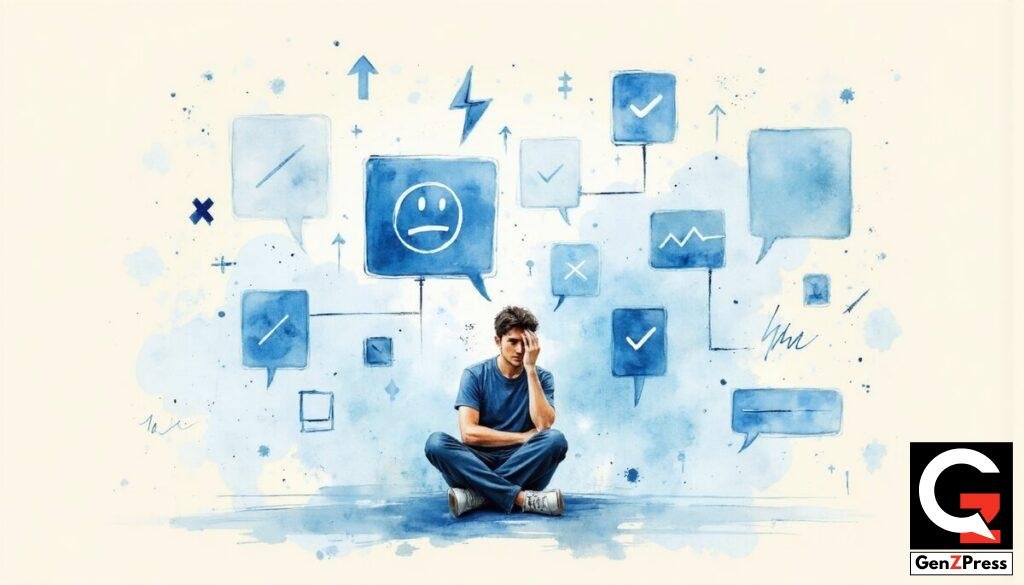
We all navigate various levels of stress daily, whether facing pressure from work, managing family demands, or dealing with financial challenges. Stress is a normal part of life, and sometimes, a little bit of pressure can even be beneficial, perhaps boosting productivity ahead of a deadline. However, it is crucial to recognize when this universal experience transitions into something negatively impacting your health.
Sometimes, the effects of stress are immediately apparent, but often, individuals continue operating without acknowledging the underlying signs. When stress becomes chronic—meaning we are overstimulated by pressure over a prolonged period of time—it results in a constant, ongoing state of tension and alertness, rather than a response to intermittent, short-term challenges.
Chronic stress is recognized as a condition that frequently contributes to, or coexists with, other serious health issues like depression, anxiety disorders, insomnia, or burnout. While it is not formally recognized as a standalone medical diagnosis, healthcare professionals assess chronic stress through a combination of examining symptom history, lifestyle factors, and physical indicators such as blood pressure or weight changes.
Here is a comprehensive look at how chronic stress can profoundly affect your body, mind, and behavior:
The Physical Alarm System: How Stress Impacts Your Body
When faced with stressful situations, our bodies produce hormones like cortisol and adrenaline as part of the fight-or-flight response. When stress is high or prolonged, these hormones trigger a cascade of physical effects that can become severe or long-term. Ignoring symptoms like recurring headaches or neck pain, for instance, might mean brushing off key indicators of chronic stress.
Cardiovascular and Respiratory Effects The hormonal response significantly impacts the heart. Cardiovascular symptoms include an increase in blood pressure and the unsettling feeling of a racing heart or abnormal beating in the chest. In severe cases, high levels of stress can cause chest pains and even lead to a rare condition called Takotsubo syndrome, often referred to as “broken heart syndrome” or takotsubo cardiomyopathy, which can mimic the sensation of a heart attack. Stress can also manifest as difficulty breathing and may even trigger panic attacks.
Musculoskeletal Tension and Pain Ongoing stress keeps muscles in a semi-contracted state, which commonly results in muscle aches and tension, particularly around the back, shoulders, and neck. This sustained muscle tension is often a trigger for tension headaches, which are typically described as a dull, aching, or “band-like sensation” felt around both sides of the head. Sleep disturbances, which are often tied to stress, can further contribute to the development of these headaches.
Digestive and Metabolic Issues Stress severely affects the digestive system because the body prioritizes energy for the muscles and brain over digestion. This re-prioritization can slow down peristalsis (the movement of food through the digestive tract), allowing bacteria more time to ferment food, which leads to gas and bloating. Other common digestive symptoms include constipation or diarrhea, indigestion or heartburn, and feeling sick or nauseous. Stress can also alter eating habits, leading some people to experience a reduction in appetite and weight loss, while others might engage in unhealthy binge-eating practices and sudden weight gain.
Other Physical Manifestations The physical toll extends throughout the body, encompassing fatigue, dizziness, blurry or sore eyes, and excessive sweating. Stress-related inflammation and hormonal changes can worsen skin sensitivity, sometimes causing rashes, itchy skin, or hives. Furthermore, stress can aggravate existing physical health problems. In women, hormonal changes due to stress may impact the menstrual cycle, potentially leading to secondary amenorrhoea (missing a period for three months or more).
The Emotional and Cognitive Drain
Stress significantly impacts how we feel and think, often resulting in complex emotional side effects.
Emotional Distress Individuals experiencing chronic stress frequently feel irritable, angry, impatient, or wound up. They may feel overwhelmed, tense, anxious, afraid, or experience a pervasive sense of dread. For some, chronic stress leads to feeling depressed, losing enjoyment or interest in life, or feeling lonely and neglected. One individual noted they felt nauseous, had a racing heart, and woke up in a panic, feeling 99% of the time like something really bad was about to happen.
Cognitive Impairment The mental effects include constantly racing thoughts and feeling unable to switch off. Chronic tension can impact decision-making processes and lead to significant difficulty concentrating or remembering things. Memory may feel slower than usual, and worry may become constant. It is also important to note that existing mental health problems can worsen under stress. In the most severe cases, someone going through intense stress may experience suicidal feelings. If a person feels unable to keep themselves safe, this constitutes a mental health emergency.
Observable Behavioral Changes
Chronic stress often triggers noticeable shifts in behavior and habits.
Changes in Habits and Social Interaction Stress can cause people to withdraw from those around them. They might snap at people or become tearful or cry. To cope, some turn to increasing their use of substances, such as smoking, drinking alcohol, or using recreational drugs more than they usually would. Other behaviors include overspending or shopping too much. Physical manifestations can include biting nails, grinding teeth, clenching the jaw, or picking at or scratching the skin.
Physical Activity and Focus Stress can interfere with daily functions, making it hard to sit still, resulting in restlessness. Individuals may change their physical activity levels, either exercising too much or not exercising as much as they normally would. Furthermore, stress makes people less productive; they may find it incredibly hard to make decisions or find themselves unable to focus.
When to Seek Professional Help
Recognizing these symptoms is the first step, but awareness should be followed by action if the signs persist. If symptoms—such as headaches, digestive issues, palpitations, or insomnia—are not going away, or if they are interfering with your daily life or relationships, it is definitely time to seek advice from your GP or a healthcare professional.
When consulting a professional, identifying the specific triggers is key. Healthcare providers recommend documenting your stress levels, triggers, and all the symptoms you feel in real time each day. Bringing a stress diary to your appointment can help link your symptoms to the overall level of stress in your life, providing clearer insight for assessment and management.
Recognizing chronic stress is like realizing your body’s engine light has been constantly illuminated, indicating a prolonged, fundamental strain. While temporary stress acts like a short burst of acceleration, chronic stress is like driving with the emergency brake engaged—it creates pervasive wear and tear across all systems, necessitating intervention before lasting damage occurs.

Gen Z Press delivers trusted and timely global news for the new generation. We bring you world updates, Gen Z trends, entertainment, lifestyle, and digital culture with clarity, simplicity, and accuracy. Stay informed, inspired, and connected with Gen Z Press — your reliable destination for global news and youth-driven stories.
We welcome your opinions at ✉️ letters@genzpress.com