





The future of the world hinges on its youth, yet a significant proportion—around 15% of young people by 2025—are falling into the concerning category known as NEET. This seemingly simple acronym, standing for “Not in Education, Employment, or Training,” masks a deep societal crisis with profound individual and economic consequences. While the term is crucial to understanding the challenges of our era, few truly grasp its full impact.
As of 2023, 11.2% of EU youth aged 15–29 were classified as NEETs. This crisis is not merely a European phenomenon; the concept first emerged in Japan in the 1990s before being adopted across Europe and the United States.
Who Are the NEETs, and What Keeps Them Stuck?
The term NEET describes a generation caught in limbo—neither fully integrated into society nor entirely lost. This group encompasses young people from diverse backgrounds, all sharing the commonality of being excluded from traditional education and employment systems.
For instance, a NEET might be a 22-year-old university graduate struggling with fruitless job searches and mounting self-doubt, or perhaps a teenager who left school to help support her family but cannot access suitable training to secure her future.
While it is easy for observers to unfairly label NEETs as “unmotivated” or “lazy,” the reality is far more complex and nuanced. Many young people face significant, systemic barriers that prevent their engagement, including:
- Individual Challenges: Mental health issues, low self-esteem, and learning disabilities.
- Socio-economic Barriers: Difficult family circumstances, such as low parental education or financial hardship.
- Systemic Failures: Education systems frequently fail to align their offerings with the evolving demands of the job market, leaving many young people without clear pathways forward.
This challenge was further intensified by the COVID-19 pandemic, which severely disrupted educational access and diminished job opportunities, pushing more youth into this category. While some may view NEET status as a temporary pause before resuming studies or entering the workforce, prolonged time as a NEET makes re-entry increasingly difficult, cementing a cycle that is hard to break.
The Heavy Toll: Individual and Economic Costs
The status of being NEET carries severe long-term consequences, extending far beyond the immediate difficulty of securing stable employment.
At the Individual Level: Young people categorized as NEET face increased vulnerability to mental health issues, including anxiety, depression, and feelings of loneliness, compared to their engaged peers. A study conducted in Scotland revealed a stark warning: being classified as NEET between the ages of 16 and 19 doubles the likelihood of remaining economically inactive at age 36. This long-term inactivity often leads to financial instability and insecurity.
At the Societal and Economic Level: When young people are not integrated into the workforce, they fail to contribute to tax revenues and often rely on social welfare systems. This places an enormous burden on public resources. For European states, the economic cost of NEET youth is staggering, estimated at €153 billion annually (or over €150 billion). This monumental figure is equivalent to 1.2% of the European Union’s Gross Domestic Product (GDP).
Breaking the Cycle: Strategies for a New Era of Engagement
Addressing this crisis effectively requires moving beyond conventional solutions, which often fail to reach those most in need. The complexity of the NEET issue demands tailored, individualized approaches that tackle both systemic barriers and personal emotional obstacles.
Successful Models and Strategies:
- Dual Education Systems: Germany’s dual education system has proven highly effective in lowering NEET rates. This system successfully blends theoretical learning with essential practical workplace training. However, the success of this model depends heavily on strong corporate participation, making it difficult to universally replicate.
- Personalized Support: Research in Turkey underscored the critical need for psychological support and personalized mentoring to help young people overcome emotional barriers and regain motivation.
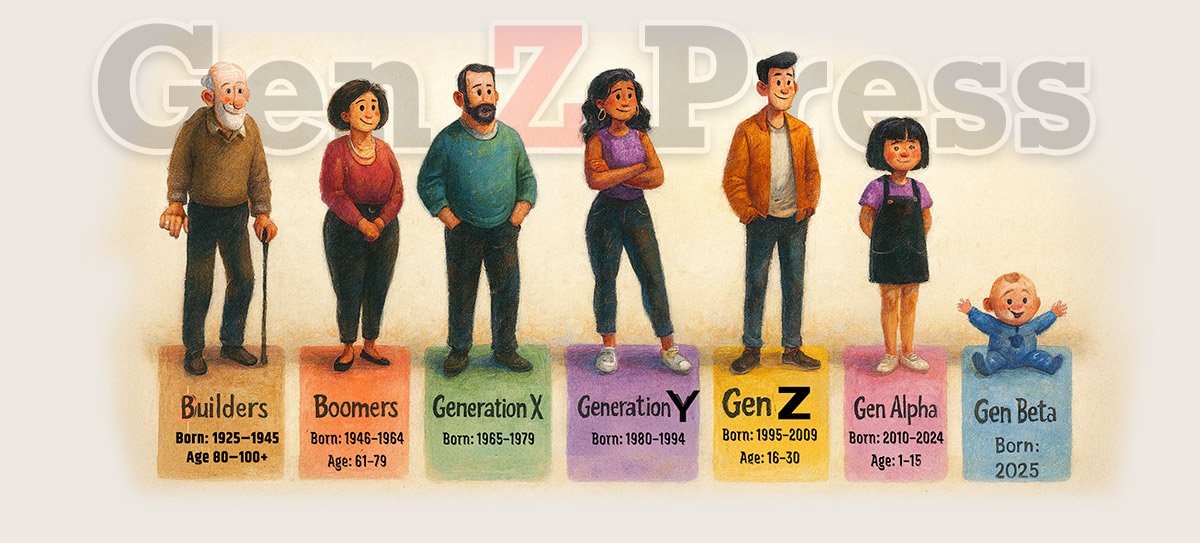
- Rethinking Education for Generation Z and Alpha: The NEET phenomenon compels us to fundamentally rethink how we approach education and work. Generation Z and Alpha are already rejecting the outdated “degree-to-lifetime-job” model. Facing the realities of the gig economy, automation, and digitalization, these generations actively seek more flexible and meaningful career paths.
Future-Forward Solutions: Innovative solutions designed for modern realities are crucial to engaging these young people. These include:
- Micro-certifications and flexible, online learning platforms.
- Entrepreneurial mentoring programs.
- The creation of “modular universities,” where students return for short, intensive learning blocks throughout their professional lives, rather than continuous, lengthy traditional programs.
A Generation to Reinvent
The urgency of this crisis is clear. NEETs should not be seen as a lost generation; rather, they are a creative, connected, and resilient generation awaiting solutions suitable for their times. With the proper support, they have the potential to become pioneers of new working and living methods.
The stakes are high—it is not only about preventing a social crisis but about unlocking the immense potential lying dormant within a significant portion of young people. By adapting our systems, we can strive to turn the acronym “NEET” into the aspirational goal: the New Era of Engaged Talent.
Addressing the NEET crisis is much like fixing a complex dam: simply plugging one hole isn’t enough; we need to reinforce the entire structure—from psychological supports and personalized pathways to completely redesigning the flow of water (education and work systems) to align with the evolving landscape of the future.

Gen Z Press delivers trusted and timely global news for the new generation. We bring you world updates, Gen Z trends, entertainment, lifestyle, and digital culture with clarity, simplicity, and accuracy. Stay informed, inspired, and connected with Gen Z Press — your reliable destination for global news and youth-driven stories.
We welcome your opinions at ✉️ letters@genzpress.com