





Why Are Gen Z Losing Their Ability to Question & Think Critically?
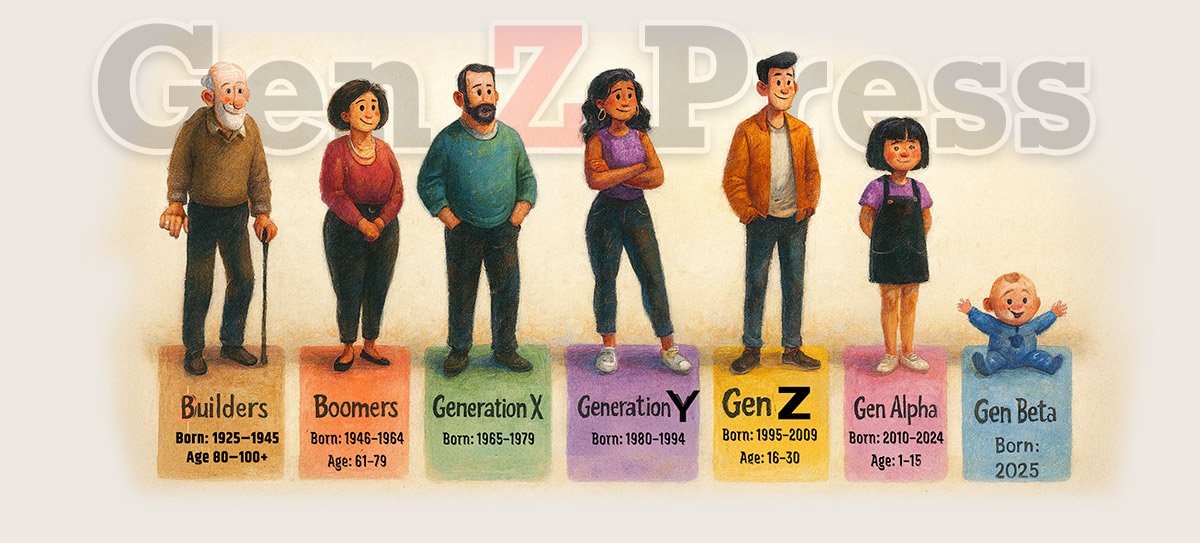
Gen Z — those born roughly between 1997 and 2012 — are often described as the most connected, technologically advanced generation in history. They grew up with smartphones, instant information, and limitless access to global conversations. Yet, despite this unprecedented exposure, researchers and educators are noticing a worrying trend: Gen Z is finding it harder to question information, analyze deeply, and apply critical thinking skills.
This is not because Gen Z lacks intelligence. In fact, they are incredibly adaptive, creative, and quick learners. The core issue lies in how their environment shapes their thinking, especially in the digital world.
Let’s explore the major reasons behind this shift—and what can be done to strengthen critical thinking again.
1. Overwhelming Information Overload
Gen Z consumes more information in a single day than previous generations did in weeks.
With millions of posts, videos, ads, and notifications constantly demanding attention, the brain learns to skim, scroll, and react quickly, rather than pause and analyze.
- Endless scrolling encourages instant opinions, not thoughtful ones.
- The brain becomes trained to prefer short content—reels, quick takes, memes—over long-form analysis.
- With too much to process, young people often rely on shortcuts or surface-level understanding.
Result: Slow, reflective thinking becomes rare.
2. The Rise of Algorithmic Echo Chambers
Social media algorithms show users what they want to see, not what challenges their beliefs.
This creates:
- Filter bubbles where opposing perspectives rarely appear
- Confirmation bias that strengthens existing opinions
- Limited ability to evaluate viewpoints critically
When platforms reward agreement, virality, and emotional reactions, Gen Z naturally gravitates toward content that feels comfortable—rather than content that requires thinking deeply.
3. Declining Reading Habits
Reading books, long articles, and analytical writing used to be a primary way people strengthened their reasoning.
Now:
- Attention spans are shorter
- Long reading feels like a burden
- Short videos have replaced thoughtful content
- Even news is consumed through 10-second snippets
Without consistent reading, critical thinking skills don’t get the “exercise” they need.
4. Instant Answers Replace Curiosity
Search engines and AI tools give answers in seconds.
While helpful, this creates a habit:
Why think deeply when information is instantly available?
When everything is quick and convenient:
- Young people lose patience for problem-solving
- Curiosity declines
- The struggle required to build analytical skills disappears
Critical thinking develops through effort, and that effort is becoming less common.
5. Education Systems Focus More on Memorization than Analysis
In many countries, schools still reward:
- Rote learning
- Standardized testing
- Memorizing facts instead of questioning them
Gen Z often feels pressured to score high rather than think critically.
This results in:
- A fear of making mistakes
- Less freedom to explore ideas
- A mindset that values “the correct answer” over the thinking process
6. Mental Health Pressures Reduce Cognitive Space
Gen Z is dealing with higher levels of stress, anxiety, and burnout than previous generations.
A tired, anxious mind is naturally less capable of:
- Deep reflection
- Concentration
- Analytical reasoning
- Open-minded discussion
When survival mode is activated, critical thinking becomes secondary.
7. Cancel Culture & Fear of Being Wrong
In today’s hypersensitive online culture, expressing an opinion can feel risky.
Many Gen Z individuals fear:
- Being judged
- Being “canceled”
- Being attacked for having a different perspective
This leads to:
- Avoiding debates
- Staying silent even when curious
- Copying popular opinions instead of forming original ones
When questioning becomes dangerous, critical thinking weakens.
8. Convenience Culture Encourages Passive Consumption
From food delivery to entertainment, everything has become effortless.
This convenience mindset extends to thinking as well.
Instead of analyzing, young people often:
- Follow influencers
- Trust popular narratives
- Accept viral “facts” without verifying
- Outsource judgment to algorithms, celebrities, or trends
When life becomes automated, thinking often does too.
What Can Help Gen Z Rebuild Critical Thinking?
Despite these challenges, the situation is far from hopeless. Gen Z is adaptable, intelligent, and capable of rapid growth. Strengthening critical thinking requires simple, realistic habits:
1. Read more long-form content
Books, investigative journalism, and essays help train focus and analytical ability.
2. Practice digital minimalism
Reducing screen time and managing notifications gives the brain room to think.
3. Seek diverse viewpoints
Following creators with different backgrounds and opinions helps break echo chambers.
4. Ask “why” more often
Instead of taking information at face value, pause and question:
- Why is this true?
- What evidence supports it?
- What is the opposite view?
5. Engage in real conversations
Debates, discussions, and open dialogue build courage and deeper understanding.
6. Use AI & internet tools as helpers—not replacements
They should support thinking, not substitute it.
7. Grow comfort with being wrong
Critical thinking requires experimentation, mistakes, and reevaluation.
Final Thoughts
Gen Z is not “losing intelligence”—they’re navigating a world where technology shapes how they think, learn, and interact. The decline in critical thinking is a reflection of the environment, not the individual.
By creating space for curiosity, thoughtful discussion, and deeper learning, Gen Z can reclaim their questioning spirit and become one of the most critically aware generations in history.
If used wisely, their connection to technology can become a powerful advantage—not a limitation.

Gen Z Press delivers trusted and timely global news for the new generation. We bring you world updates, Gen Z trends, entertainment, lifestyle, and digital culture with clarity, simplicity, and accuracy. Stay informed, inspired, and connected with Gen Z Press — your reliable destination for global news and youth-driven stories.
We welcome your opinions at ✉️ letters@genzpress.com