



Iran is currently standing at a profound crossroads, where the whispers of economic frustration have transformed into a resonant cry for systemic change. What began as a localized reaction to the soaring cost of living has rapidly evolved into one of the most significant challenges to the country’s theocratic system since the 1979 revolution.
The Human Toll Behind the Silence
For two weeks, the country has been gripped by a protest movement that persists despite a crackdown described by human rights groups as a “massacre“. While a days-long internet shutdown was intended to quiet the unrest, information has continued to trickle out, revealing a harrowing reality. The Center for Human Rights in Iran (CHRI) reports that hundreds of protesters may have been killed, with some unverified estimates suggesting the toll could be much higher.
In the city of Tehran, the rhythm of daily life has reached a state of near paralysis. Basic necessities have become luxuries; for instance, the price of meat has nearly doubled since the protests began. Many shops now shutter their doors by late afternoon as security forces deploy across the city in massive numbers.
High-Stakes Diplomacy and Threats
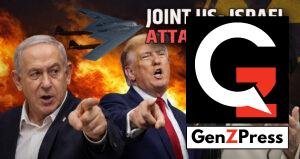
As the internal pressure mounts, the international stage is fraught with tension. U.S. President Donald Trump recently stated that Iranian leaders called him seeking “to negotiate,” claiming that a meeting is currently being arranged. However, this potential for dialogue is shadowed by threats of force. Trump has repeatedly warned of military intervention, while Iranian officials have countered by labeling U.S. military and shipping assets as “legitimate targets“.
Inside Iran, the government is attempting to project an image of returning order. State media has broadcast images of smooth-flowing traffic and announced three days of national mourning for “martyrs,” including security personnel killed during the unrest.
A Vision for the Future
Amidst the chaos, new figureheads for the opposition are emerging. Reza Pahlavi, the U.S.-based son of Iran’s ousted shah, has expressed his readiness to return and lead a democratic transition. He has publicly urged state employees and security forces to “stand with the people” rather than remaining complicit with the current leadership.
This sentiment is being echoed globally. In cities like London, protesters have replaced the current Iranian embassy flags with the tri-colored banner of the pre-revolution era, a symbol that has become an emblem for those seeking a different future for the nation.
An Analogy for Clarity To understand the current state of Iran, imagine a pressure cooker where the safety valve has been welded shut. The rising cost of living acted as the heat, increasing the internal pressure to a breaking point. Now, the steam is forcing its way through every tiny crack—from the streets of Tehran to the halls of international diplomacy—and even a complete shutdown of the “valve” (the internet) cannot stop the energy from seeking an escape.

Gen Z Press delivers trusted and timely global news for the new generation. We bring you world updates, Gen Z trends, entertainment, lifestyle, and digital culture with clarity, simplicity, and accuracy. Stay informed, inspired, and connected with Gen Z Press — your reliable destination for global news and youth-driven stories.
We welcome your opinions at ✉️ letters@genzpress.com