





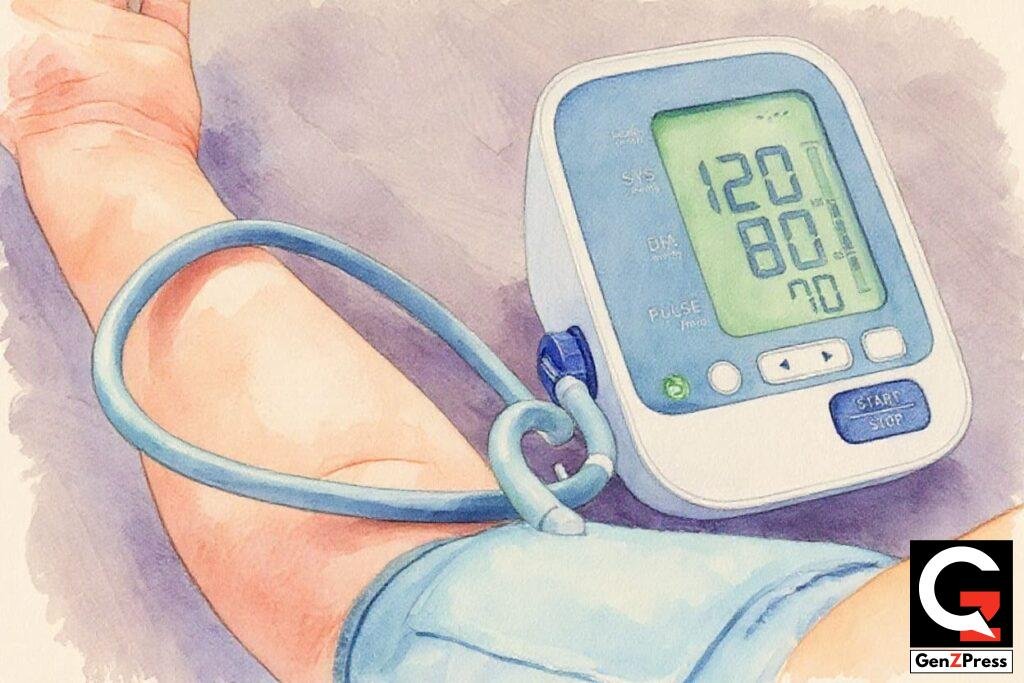
Simple Trick to Keep Your Blood Pressure at 120/80 : Essential Lifestyle Changes and Natural Boosters
It is crucial to keep your blood pressure (BP) under effective control to safeguard your heart health and prevent serious illnesses. Blood pressure readings are categorized based on millimeters of mercury (mm Hg). Ideally, your goal should be a measurement less than 120/80 mm Hg, which is considered normal. If your blood pressure falls within this healthy range, maintaining heart health involves adopting key habits like exercising regularly and following a balanced diet.
However, many people struggle with high blood pressure, or hypertension, which significantly increases health risks. In 2017, high blood pressure was defined by the American College of Cardiology and the American Heart Association as a reading of 130/80 mmHg or higher. Stage 2 hypertension, a more severe form, is defined as 140/90 mmHg or higher.
The best approach to managing high blood pressure and improving your overall well-being is a combination of necessary lifestyle changes and, when advised by a physician, medication.
Foundational Strategies: Essential Lifestyle Adjustments
Simple shifts in daily habits are some of the most effective ways to lower elevated blood pressure.
1. Embrace a Heart-Healthy Diet
What you eat directly impacts your circulatory system. Adopting a diet rich in whole grains, fruits, vegetables, and low-fat dairy can significantly help manage your numbers. Equally important is limiting the intake of processed foods, saturated fats, and cholesterol. Making these dietary changes alone has the power to lower your blood pressure by up to 11 mmHg.
2. Prioritize Regular Physical Activity
A sedentary lifestyle is recognized as a major risk factor for high blood pressure. The good news is that simply being more active can help to reduce high blood pressure readings. Consistent exercise strengthens the heart and eases the burden on your arteries.
3. Maintain a Healthy Weight
Weight loss stands out as one of the most effective methods for blood pressure management. The scientific reason is straightforward: the heavier you are, the greater the volume of blood your body needs to deliver oxygen and nutrients to tissues. As this increased volume of blood travels through your veins, the pressure exerted on your artery walls rises, resulting in higher blood pressure.
4. Practice Alcohol Moderation
Drinking alcohol excessively can seriously damage your heart. Furthermore, high alcohol intake can cause blood pressure to rise. To avoid this, moderation is key. Women should limit themselves to no more than one drink a day, and men should consume no more than two drinks daily. Another risk associated with alcohol consumption is weight gain, often resulting from sugary cocktails, and being overweight is a direct contributor to high blood pressure.
5. Eliminate Tobacco Use
Smoking or chewing tobacco causes an immediate, though temporary, spike in blood pressure. More critically, tobacco use damages the interior lining of your arteries. This damage leads to artery narrowing, which substantially increases your risk of heart disease. Exposure to secondhand smoke also heightens the risk of developing heart disease.
6. Manage Stress Effectively
Stress, especially chronic stress, can be a silent contributor to hypertension. While temporary stress can cause blood pressure to rise momentarily, sustained stress leads to high levels of stress hormones in the body, which can eventually result in chronic high blood pressure. Finding healthy ways to reduce stress levels is a vital part of blood pressure management.
Natural Cures and Health Boosters
In addition to core lifestyle changes, certain natural supplements have shown promising results in supporting healthy blood pressure.
Garlic
Garlic supplements have been studied extensively, showing a significant positive effect on individuals with existing high blood pressure. A meta-analysis concluded that garlic supplements may reduce systolic blood pressure by an average of 8–10 mmHg and diastolic blood pressure by 5–6 mmHg. These results are comparable to the efficacy demonstrated by standard blood pressure medications.
Dietary Fiber
Increasing your fiber intake is another way to help control blood pressure. Experts advise consuming 25 to 30 grams of fiber daily. Excellent sources of high-fiber foods include whole grains, fruits, and vegetables.
Fish Oil (Omega-3s)
Taking fish oil supplements may help to lower blood pressure. Studies indicate that omega-3 fish oil is most effective at improving health outcomes in individuals with moderate to severe high blood pressure, compared to those with only mild hypertension.
Herbal Supplements
Several specific herbal supplements and natural juices may offer assistance with blood pressure management. These include cherry juice, beetroot juice, resveratrol, bergamot extracts, Pycnogenol, and barberry.
Important Caution: While these natural supplements may be effective, it is essential to proceed with caution. Consuming large quantities of herbal supplements can sometimes lead to serious side effects. Always consult your doctor before beginning any new supplement regimen.
In conclusion, achieving and maintaining normal blood pressure readings (below 120/80 mmHg) is achievable through these fundamental lifestyle changes and, where appropriate, medication. Whether you are currently dealing with high blood pressure or are simply at risk of developing it, prioritizing regular health check-ups and consistent communication with your doctor is indispensable.

Gen Z Press delivers trusted and timely global news for the new generation. We bring you world updates, Gen Z trends, entertainment, lifestyle, and digital culture with clarity, simplicity, and accuracy. Stay informed, inspired, and connected with Gen Z Press — your reliable destination for global news and youth-driven stories.
We welcome your opinions at ✉️ letters@genzpress.com