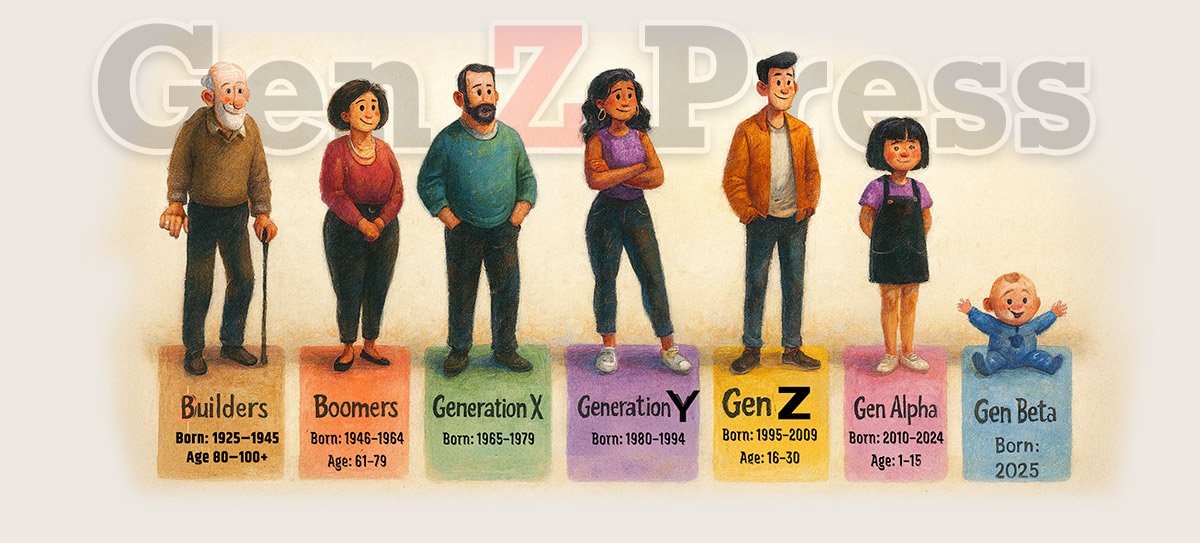






Gen Z, often described as fast, connected, and restless, is shifting toward stillness and structure. Researchers have observed a powerful, emerging trend called the “Great Lock-In,” where young people collectively embrace discipline, silence, and self-control.
This isn’t isolationism; it’s a “quiet revolt” against overwhelming external pressures, which experts describe as self-protection disguised as structure. This individual’s embrace of routine ushers in a new understanding of control and autonomy among Gen Z.
When Control Becomes the New Freedom
Gen Z came of age in a world defined by uncertainty. They are navigating immense macro-chaos, including climate anxiety, significant economic pressure, and relentless digital noise. When the world outside feels impossible to control, young people strategically shift their focus to controlling their personal routines.
This response has manifested online through viral trends like “Monk Mode,” “Winter Arc,” “Hard 75,” and “No Scroll September,” all of which share the common pattern of choosing boundaries and rigor. The goal of this “lock-in culture” is to build micro-stability within the overwhelming chaos.
A Generational Survival Code: Systems Over Slogans
Every generation develops a unique survival mechanism. While Boomers relied on institutions, Generation X embraced rebellion, and Millennials championed optimism, Gen Z’s code is systems. Their approach is not loud but logistical.
Instead of creating political manifestos or rallying with slogans, members of Gen Z often rely on spreadsheets and highly curated playlists to organize their lives. This focus on meticulous routine is a direct form of resistance; for instance, they track their sleep with the same intensity that previous generations tracked ideology, recognizing that rest itself has become resistance.
Psychologists refer to this behavior as “performative regulation,” defining it as the use of routine and ritual to manage anxiety in an overstimulated environment. These small systems—such as early mornings, carrying water bottles, meticulously using planners, engaging in gym challenges, and maintaining meditation streaks—provide the feeling of safety they crave.
Fighting Fatigue, Not Institutions
Historically, youth movements have focused on fighting external institutions, but the Great Lock-In reveals a new enemy: fatigue. This generation is fighting mental, emotional, and informational burnout, chaos, and the constant noise of modern life.
The “lock-in” provides purpose and stability amid constant chaos. It is empowerment achieved through rest—a strategic pause that rebuilds focus, emotional stability, and identity.
As a generational researcher notes, this trend should not be viewed as a withdrawal but as a recalibration. Gen Z’s central message is not “I’m tired,” but rather “I’m resetting.” They are deliberately building resilience through methods such as solitude, discipline, slow living, journaling, and fitness, working from the inside out.
The Paradox of Shared Solitude
What distinguishes this introspective trend from past eras when young people retreated (such as the Beat Generation’s isolation or post-war communes) is the sheer digital visibility of their introspection.
Gen Z performs privacy publicly, sharing their solitude in real-time online. The act of posting their “lock-in journeys” on platforms like TikTok and YouTube isn’t about bragging; it’s about finding community in boundaries. They share their retreat with the world, creating a beautiful paradox: they need to be seen online so they can feel invisible in their private lives for a while.
Lock-In and Walk-Out: Two Sides of the Same Coin
While millions of young people across Western societies are retreating inward as an act of repair, others are responding to the generational tension with outward action.
In places like Morocco, movements such as Gen Z 212 demonstrate the same refusal to surrender to helplessness, but instead of retreating, they stand up, protest, question power, and create change. These young people are repairing the world from the outside in.
Whether they choose to lock in to heal or walk out to change, both responses stem from the same core root: the search for control in a world that often feels uncontrollable. Both forms are acts of courage—one quiet and deliberate, the other loud and visible.
Ultimately, Gen Z is redefining activism for the age of overload, teaching us that radical action can sometimes look like rest, and transformative change often begins with peace.

Gen Z Press delivers trusted and timely global news for the new generation. We bring you world updates, Gen Z trends, entertainment, lifestyle, and digital culture with clarity, simplicity, and accuracy. Stay informed, inspired, and connected with Gen Z Press — your reliable destination for global news and youth-driven stories.
We welcome your opinions at ✉️ letters@genzpress.com