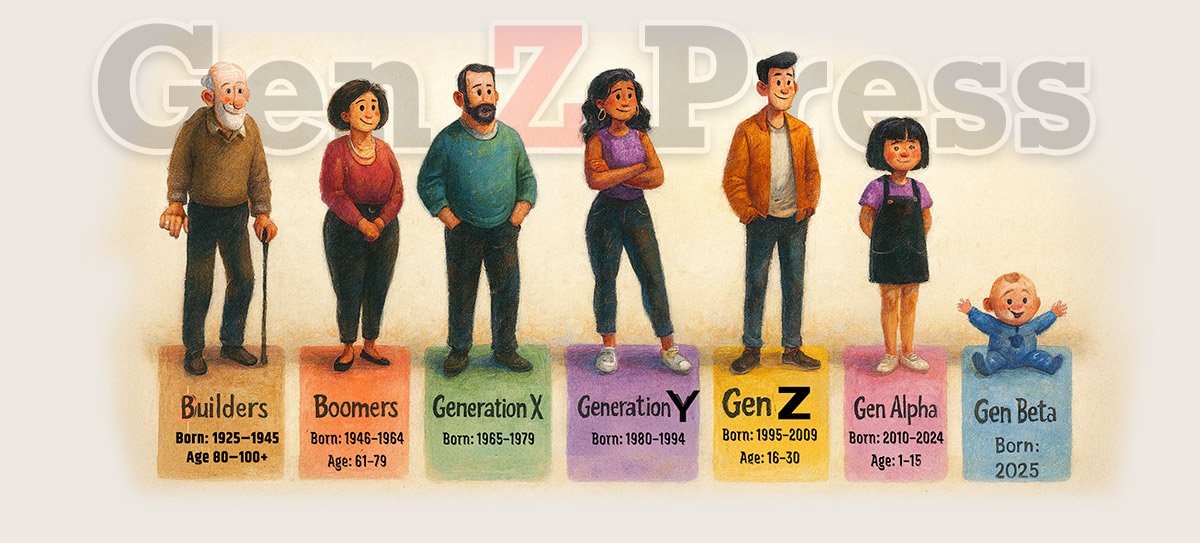






The prenuptial agreement, once whispered about in scandalized tones and seen as the exclusive domain of the paranoid rich, the famous, or those already twice divorced, has undergone a radical transformation. Today, far from being a sign that a couple “doesn’t really believe in love,” the prenup has become normalized—and even celebrated—by younger generations.
For Millennials and Generation Z, signing a prenup is increasingly viewed as a pragmatic, necessary step, akin to securing a contract before buying a house. In fact, nearly half (47 percent) of engaged or married Millennials currently have a prenuptial agreement, and Gen Z is not far behind at 41 percent, according to a 2023 survey. This marks a dramatic departure from the 1990s, when only about 8 percent of married couples utilized them.
From Taboo to Trendy: The Cultural Detoxification of the Prenup
The traditional view of prenups was often colored by high-profile celebrity divorces—such as Donald Trump’s agreement with Ivana—or sensationalized soap opera plotlines featuring demanding heiresses. Divorce lawyer James Sexton, who has nearly 25 years of experience in New York, notes that the shift is not just in usage but in candor: “Celebrities used to swear they didn’t have prenups while I had their signed agreements in my safe,” he explained. “The difference now is that people admit it”.
This new openness has been greatly amplified by popular culture and social media. On TikTok, women are filming themselves explaining the intricacies of their prenuptial agreements in videos that garner thousands of views, boldly declaring, “Prenups are hot!”. For many, the prenup has evolved from a quiet, sober document into a public “relationship flex,” a new milestone to broadcast, complete with matching outfits and calls to normalize the practice.
The destigmatization has been further driven by celebrity actions, such as Gwyneth Paltrow’s “conscious uncoupling” from Chris Martin in 2014, a phrase she used to describe an amicable parting characterized by mutual respect. According to Julia Rodgers, CEO and founder of Hello Prenup, a company assisting couples in writing their own prenups, this event caused mediated divorces to skyrocket, as people sought to “consciously uncouple, too”. The pendulum has swung so far that now, rather than mocking couples for having one, society sometimes raises an eyebrow when high-net-worth individuals fail to secure an agreement. For example, when 82-year-old entertainment mogul David Geffen (net worth estimated at over $8 billion) divorced his 32-year-old husband earlier this year, the news included the observation that Mr. Armstrong had not signed a prenuptial agreement.
The Anxiety Underneath the Agreements
While the trend is often presented playfully online, the underlying motivation is rooted in profound financial anxiety and caution. Millennials and Gen Z are the first generations that are objectively worse off than their parents. Furthermore, they tend to marry later in life, meaning they have had more time to accumulate significant individual assets, debt, and belongings—from savings accounts to IKEA furniture. As one person put it, “I’m not about to claw my way out of six figures of loans just to gamble it all on vibes”.
This demographic shift towards later marriage and increased individual assets makes the prospect of marriage look less like stability and more like financial risk.
Several key financial factors drive this proactive approach:
- Protecting Existing Wealth and Debt: Many young adults are keen to protect assets they brought into the marriage and avoid the risk of taking on a partner’s extensive debt.
- The Great Wealth Transfer: Boomers are poised to transfer over $80 trillion in wealth to their Millennial and Gen Z children. Parents are increasingly pressuring their children to sign prenups as “the best way to protect that wealth,” according to Rodgers.
- Lessons from the Divorce Boom: Millennials grew up during the first great divorce boom, witnessing firsthand the financial wreckage, custody schedules, and the way mothers and grandmothers could be financially trapped or penalized for the unpaid labor of staying at home. Vowing not to repeat that script, women, in particular, are driving the push for agreements.
Defining the Marriage, Not Just the Money
Beyond assets and debt, the prenup is fundamentally a tool for taking control away from the state. “Every marriage has a prenup,” Sexton stated. “It’s either the one the legislature wrote, which you never signed, or the one you and your partner made together”.
Without a signed agreement, a couple’s finances upon divorce are governed strictly by state law, dictating issues like property division, alimony, and how retirement accounts are split. By creating their own prenup, couples are essentially opting out of the government scripting the terms of their dissolution.
Crucially, prenups aren’t solely about money; they can be a framework for figuring out what the marriage itself will look like. Mark Zuckerberg and Priscilla Chan, for instance, reportedly drafted terms before marrying in 2012 that centered on time, not finances. Zuckerberg allegedly promised to take Chan on one date per week and spend at least 100 minutes of alone time with her outside of work or home.
The trend has also popularized various niche agreements:
- The Pet-Nup: This allows couples to define custody terms for pets—a logistical concern for many marrying later in life. One individual’s agreement, signed months before marriage, specified sole custody of any future dog for their partner.
- Embryo Disposition: More couples are freezing embryos, and prenups are essential for specifying what should happen to them—whether they should be destroyed, donated, or awarded to one partner—in the event of a divorce. Without such terms, couples risk litigating over their potential children in court.
- Infidelity Clauses: These spell out what constitutes cheating and the financial cost associated with it (fines can run into six figures). While many of these are unenforceable, especially in no-fault divorce states, discussing them can be valuable for couples establishing boundaries around “emotional affairs” or sliding into DMs.
While critics worry that the agreements undermine the spirit of marriage, especially when absurd clauses are upheld (like the man who insisted his wife lose $10,000 in alimony for every 10 pounds gained during the marriage), the pragmatic generation views them as responsible.
The Ultimate Expression of Love and Security
The generation often referred to as “Generation Prenup” is pragmatic, skeptical of institutions, and unwilling to leave the future to chance. They are choosing control over surrender.
It might seem counterintuitive to start a marriage with an exit strategy, but Sexton insists the opposite is true: “You can’t feel loved if you don’t feel safe,” he noted. “A prenup is a way of saying, ‘Even if we fail each other, you’ll be okay without me.’ ”.
For those who grew up amidst the devastation of divorce, they understand that affection is killed not by paperwork, but by betrayal and the sudden discovery that a trusted partner can financially ruin them. Marriages may fail with or without contracts, but having a prenup grants a measure of control over the fallout.
Perhaps this cautious approach is working: Millennials divorce at a lower rate. This may be due to marrying later and more cautiously, or perhaps because discussing how you will break up makes you better at staying together.
In this new era of romantic pragmatism, the ultimate declaration of commitment has evolved: Nothing says “I love you” quite like the two of you calmly discussing the terms of your mutual destruction.
Analogy: Thinking of a prenup in modern marriage is like buying insurance for a shared journey. You aren’t planning to crash, but having the policy (the prenup) ensures that if the unforeseen happens, the emotional wreckage won’t be compounded by complete financial chaos, allowing everyone involved to recover and move forward safely.

Gen Z Press delivers trusted and timely global news for the new generation. We bring you world updates, Gen Z trends, entertainment, lifestyle, and digital culture with clarity, simplicity, and accuracy. Stay informed, inspired, and connected with Gen Z Press — your reliable destination for global news and youth-driven stories.
We welcome your opinions at ✉️ letters@genzpress.com