




Why Gen Z is Shifting from Loud Voices to Quiet Exits
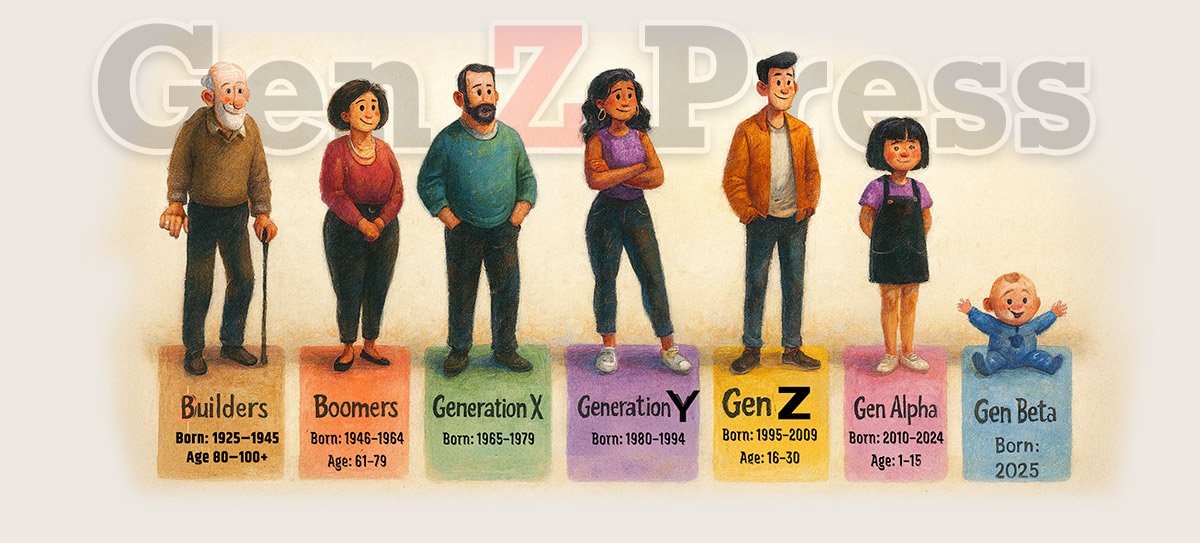
In the digital town squares of 2026, a curious paradox has emerged: the generation celebrated for its inclusivity is being called the most “closed-minded” one yet. While Gen Z is often seen as the vanguard of social change, critics argue they are actually incredibly outspoken and unyielding in their beliefs. This friction has created a generational divide where “agreeing to disagree” feels like a lost art.
The Myth of the Open Mind
A common critique from older generations is that Gen Z views their personal moral stances as absolute and universal truths. When these views are challenged, the response isn’t always a calm debate; instead, it often spirals into “hysterical” defensiveness. One 45-year-old observer noted that if any other generation acted this way, they would be immediately labeled as cruel or narrow-minded.
From the Gen Z perspective, however, “open-mindedness” isn’t about entertaining every idea; it’s about accepting people for things they cannot control, like race, gender, or disability. They distinguish this from “accepting” actions or choices they find illogical or harmful. This leads to a fundamental clash: what one side calls a “civilized conversation,” the other often sees as a “rigged game” or a personal attack.
The Sound of Silence in 2026
While the debates on social media are loud, the reality in the workplace is increasingly quiet. We are entering an era of “the quiet reset,” where dissatisfaction no longer sounds like a raised voice in a meeting. Today, protest looks like a turned-off camera, a faded initiative, or a polite, digital message sent from the next room because a face-to-face talk feels too intense.
By the time a manager notices a problem, the room is often already empty. Research shows that over 80% of Gen Z employees feel disengaged, yet they rarely complain out loud. Instead, they quietly withdraw. This isn’t laziness; it is a calculated exit by a generation that doesn’t feel safe enough to speak their truth.
Money, Meaning, and the Survival Instinct
There is a persistent myth that Gen Z only cares about “purpose” over a paycheck. The data suggests a much more grounded reality: they want financial security, meaningful work, and mental well-being in equal measure. Having watched their parents struggle through financial crises and entering the workforce during a global pandemic, they view “purpose” without “pay” as a dangerous risk.
Critics point to a perceived lack of “work ethic,” citing examples of young people who struggle to afford homes. Yet, Gen Z counters with the harsh math of 2026: housing prices have surged by 30% while wages have stayed flat, making the traditional “American Dream” feel more like a “delusion” than a reachable goal.
Ambition Redefined
Ambition hasn’t died; it has simply changed direction. Fewer than one in ten Gen Z workers aspire to senior leadership roles. Instead of climbing a vertical ladder, they seek horizontal growth—acquiring new skills and maintaining the flexibility to pivot when the world shifts. They see the traditional corporate ladder as a relic of a stable world that no longer exists.
Furthermore, while they are the fastest to adopt AI tools, they are also the most anxious about being replaced by them. They don’t need “comfort” from leadership regarding technology; they need transparency and a clear path forward.
A New Kind of Listening
To bridge this gap, leadership in 2026 requires a “reset”. It is no longer enough to speak clearly; leaders must learn to listen precisely. This means reading the “quiet signals”—interpreting hesitation, taking indirect feedback seriously, and understanding that silence is a data point, not apathy.
Ultimately, Gen Z isn’t “broken”; they are a coherent response to a world shaped by instability and constant evaluation. Their quiet departure isn’t a lack of care—it’s the final step in a long process of trying to find a place where they feel both safe and valued.
Analogy for Understanding: Think of a workplace like a house with a faulty alarm system. In the past, when something was wrong, the alarm would scream, and everyone would rush to fix it. Today, the alarm has been silenced, but the floorboards are still creaking. If you only wait for the loud siren to go off, you’ll find the house empty before you even realize there was a leak. Leadership today is about learning to hear the creak in the floorboards before the front door closes for good.

Gen Z Press delivers trusted and timely global news for the new generation. We bring you world updates, Gen Z trends, entertainment, lifestyle, and digital culture with clarity, simplicity, and accuracy. Stay informed, inspired, and connected with Gen Z Press — your reliable destination for global news and youth-driven stories.
We welcome your opinions at ✉️ letters@genzpress.com