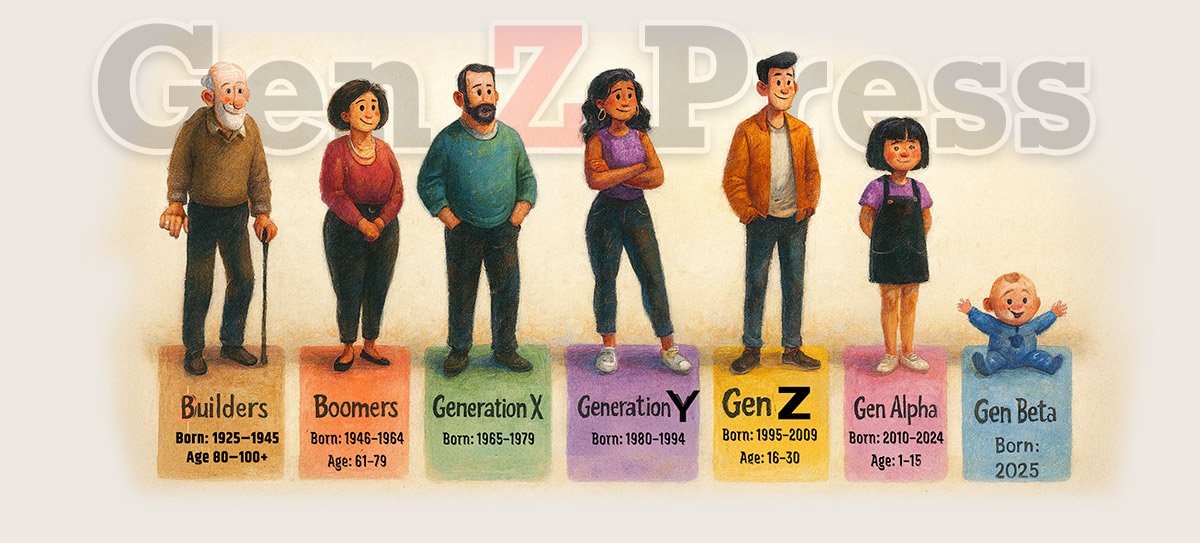






In the era of endless digital connections and constant swiping, Generation Z (born between 1995 and 2010) is quietly driving a revolution in how we view love, commitment, and relationships. For parents and older generations, navigating the evolving terminology—from “situationships” to “polycules” or “relationship anarchy”—can feel overwhelming. While many may wonder if traditional romance has died, the reality is that Gen Z is not abandoning love; they are simply redefining it on their own terms.
This generation approaches commitment and relationships very differently compared to Millennials (born 1980–1994) and Boomers.
Monogamy: A Choice Made Consciously
The central question often asked is whether Gen Z believes in monogamy. The answer is both yes and no.
Many Gen Z individuals still value monogamy, experience falling in love, maintain committed partnerships, and feel jealousy when their partner interacts with others online. However, the crucial difference lies in how they perceive it: Gen Z views monogamy as a choice, not a societal default. Being with one person forever is not something they feel compelled to do because society dictates it; rather, it is a conscious decision made because the structure works for them.
If traditional monogamy does not align with their needs, Gen Z is open to exploring other relationship options, provided those choices are ethical and consensual for all involved parties.
The Forces Driving Relationship Evolution
Why have relationships become so complex for this generation? Several significant factors have influenced Gen Z’s skeptical yet boundary-conscious approach to commitment:
1. Skepticism Rooted in Experience
Gen Z came of age witnessing high divorce rates, messy breakups, and marriages that often seemed more like legal arrangements than passionate love stories. This exposure has made them skeptical of relationships based solely on societal norms. Instead, they prioritize relationships deeply rooted in genuine emotional connection.
2. The Digital Overhaul of Dating
The dating landscape they inherited is drastically different from previous generations. They grew up immersed in dating apps, where hundreds of potential matches are constantly available just a swipe away. This unprecedented level of choice makes exclusivity a conscious decision rather than the only natural option available. The internet essentially “broke the dating game”.
3. Prioritizing Mental Health and Boundaries
A core value for Gen Z is their prioritization of mental health, emotional intelligence, self-care, and therapy. They refuse to force themselves into traditional relationship models if those structures do not align with their personal well-being. They explore options that they find emotionally sustainable, rather than conforming to rigid external expectations.
4. Fluidity Over Fixed Labels
This generation values fluidity across many aspects of life, including gender, identity, and relationships. They generally dislike being confined to a single definition of love. While some prefer monogamy, others are comfortable exploring polyamory or simply seeing where things go without rigid, fixed expectations.
Navigating the Modern Relationship Dictionary
Understanding Gen Z’s approach requires familiarity with the varied relationship models they discuss. These terms reflect the expansion of choice and commitment structures gaining visibility and acceptance among younger generations:
| Term | Definition |
|---|---|
| Monogamy | Having only one partner at a time; this classic style remains popular. |
| Serial Monogamy | Having one partner at a time, but repeatedly changing partners across different life stages. |
| Situationship | A dynamic that is more serious than a casual fling but lacks the clear commitment and definition of a formal relationship. |
| Ethical Non-Monogamy (ENM) | A relationship where both partners openly and honestly agree to see or be intimate with other people, emphasizing honesty over secrecy. |
| Polyamory | The practice of openly and honestly loving multiple people simultaneously. |
| Open Relationship | A committed couple who allows for romantic or physical connections outside of the primary relationship. |
| Relationship Anarchy | A relationship structure that operates with no fixed rules or expectations beyond mutual agreements established between the parties involved. |
| Friends with Benefits (FWB) | A relationship that combines friendship with added intimacy, typically “no strings attached”. |
| Queerplatonic Relationship (QPR) | A deep, committed, and meaningful partnership that does not necessarily include romantic elements. |
| Long-Distance Relationship (LDR) | Navigating love and connection remotely, often relying on video calls and digital communication. |
| Metaverse Relationship | The newest form, where individuals engage in dating or relationships within virtual reality (VR) environments. |
Redefining Connection, Not Destroying Love
If this expansion of choices seems complex, remember that Gen Z’s core motivation remains the search for love, connection, and meaningful relationships. Their varied approaches are simply about having the freedom to shape those connections in a way that truly works for them as individuals.
This evolution should not be viewed as the destruction of love or commitment, but rather as an expansion of choice in how intimacy is structured. For those seeking to connect with or support Gen Z, the best approach is to listen without judgment, educate oneself on these new relationship models, and focus on the individual’s happiness and well-being.
Gen Z is acting like architects of their own intimate lives. They are not satisfied with pre-fab relationship blueprints handed down by society; instead, they are designing custom homes for their emotional needs, ensuring the structure is sustainable, intentional, and perfectly suited to the occupants.

Gen Z Press delivers trusted and timely global news for the new generation. We bring you world updates, Gen Z trends, entertainment, lifestyle, and digital culture with clarity, simplicity, and accuracy. Stay informed, inspired, and connected with Gen Z Press — your reliable destination for global news and youth-driven stories.
We welcome your opinions at ✉️ letters@genzpress.com