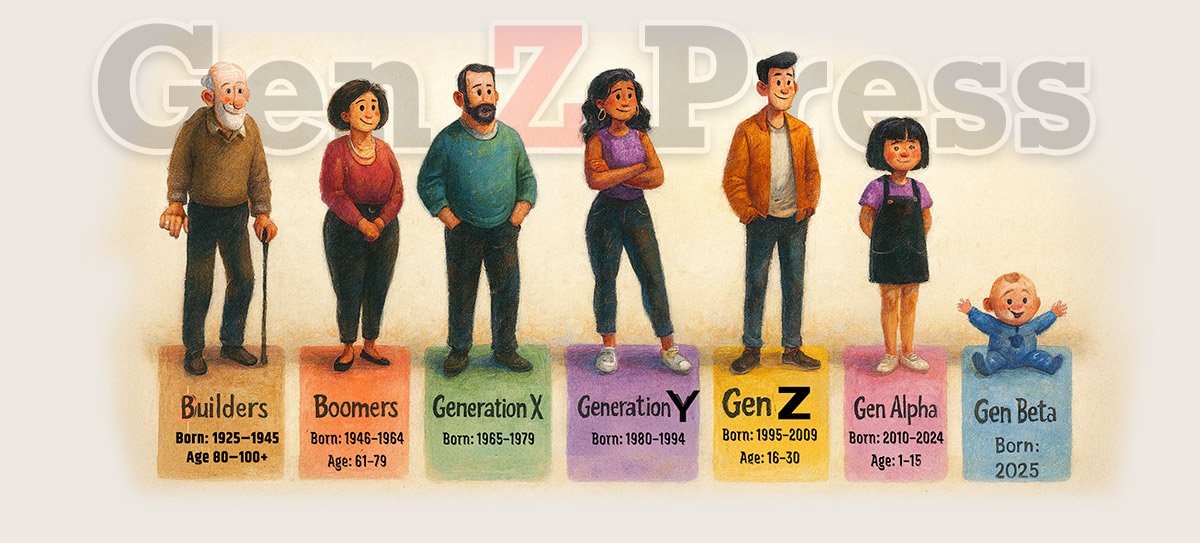





The journey into the modern workforce is often chaotic and overwhelming, a fact keenly felt by members of Generation Z (those born between 1997 and 2012). Online forums are rife with candid expressions of their anxieties, such as comments like, “I feel so behind. Like everyone else has it figured out and I haven’t even started,” and “I am cooked. I don’t have any plans”.
Social Media to Revolutionize Career Navigation and Beat Job Anxiety
Far from being passive consumers, young people today are actively harnessing digital channels to seek guidance, explore identities, and chart viable professional paths. A spring 2025 youth-led study conducted by young researchers from the ASA Center for Career Navigation at JFF systematically analyzed thousands of comments across major platforms like Reddit, YouTube, and TikTok. Their research reveals a generation defined by resourcefulness, digital fluency, economic worry, and a constant search for meaningful direction.
The core truth is clear: Young people aren’t passively scrolling; they’re searching.
The Three Dimensions of Digital Career Guidance
To understand the complex motivations behind Gen Z’s reliance on platforms for career development, the researchers utilized the “Jobs to Be Done” (JTBD) framework. This framework categorizes user needs into three critical dimensions—functional, emotional, and social—explaining why young adults turn to social media to meet their career navigation needs.
1. Functional Needs: A Task-Oriented Support System
For Gen Z, social media operates as a dynamic, task-oriented support system crucial for navigating their early career steps and long-term aspirations. They are using these platforms to fulfill immediate, practical needs:
- “Show Me What I’m Not Seeing” (Path Exploration): Social media is broadening the perceived boundaries of what’s possible. Young people are using it to explore unconventional avenues and industries they might not encounter otherwise. This includes baristas discussing side hustles, people in the trades sharing their pay stubs, and users detailing experiences in nascent digital fields. This exposure extends to education pathways as well, with conversations documenting a fundamental shift away from the pursuit of a traditional four-year degree toward alternatives like trade schools, online courses leading to certifications, and coding boot camps. Comments like “Trade school is 10x better than college” and “What bootcamp did you complete?” illustrate this focus on accessible, viable routes to skill development and economic stability.
- “Let Me See What It’s Like First” (Risk Reduction): Gen Z actively evaluates what feels “doable” versus what seems out of reach by observing the experiences of others. Creators publish vlogs that offer immersive, “day in the job” looks, making the invisible aspects of work visible. This vicarious exploration reduces the risk of committing significant time, money, and resources to career paths that may not be a good fit.
- “I Need to Know What to Do” (Actionable Guidance): At high-stakes moments, young people seek concrete, peer-driven guidance. The search for actionable tips often falls into the category of “Give Me a Script, So I Don’t Freeze,” covering situations like what to say in an interview or how to quit a job gracefully. Users collaborate on resume tips, job hacks, and interview prep advice. For example, they advise peers to list career aspirations, skills, school clubs, hobbies, and all languages spoken on their resumes. This proactive, hands-on mindset is also evident in searches like “How to Get a Job as a High Schooler Without Experience”.
A recurring theme in this practical guidance is the search for “fast money,” “quick jobs,” and “side hustles”. This burgeoning “hustle culture” reflects a deeply pragmatic, often short-term approach to employment, driven by immediate financial needs and a preference for flexible, self-directed income opportunities, particularly within the rise of remote and digital work. Vivid examples found online include “5 ways to get money” and “Just mow lawns. . . . I make $80 a day from like 2 hours of work”.
2. Emotional Needs: Navigating the Labor of Becoming
Beyond functional searches, social media is essential for the emotional labor involved in exploring identities, comparing professional trajectories, and bracing for setbacks. These platforms offer a safe outlet to express a wide spectrum of feelings while facing a competitive job market.
The emotional toll of the search is profound, often laid bare by poignant comments like, ”I have applied to thousands of jobs. . . . It’s time to give up on that path,” or the anxiety associated with internal barriers: “My social anxiety and shyness is stopping me from trying to apply to jobs”. Young people frequently express frustration with systemic challenges, especially the stress of the infamous “no experience no job, no job no experience” death loop. This struggle highlights the intersection of external pressures, personal challenges, and a perceived lack of access to traditional guidance.
Crucially, however, social media is also a vibrant source of hope and motivation. Many users exhibit anticipation about the future and a strong sense of personal agency, as seen in comments such as: “I am turning 15 soon. I am really excited for the journey of my emancipation and the work that comes with that!”.
3. Social Needs: Finding Validation and Community
Young adults use social media to cultivate a robust, organic digital support network by connecting with others, sharing experiences, and seeking validation. In essence, they are asking, “Help me feel less alone in this”.
They share personal milestones, such as, “I have my first-ever interview tomorrow. I will update soon after my interview,” signaling a desire for recognition and peer support. The platforms act as a brave space for vulnerability. Users openly share frustrations—like “I can’t even get hired at my local Wendy’s”—but also offer messages of hope, such as, “I just did my first interview, and it was terrible. . . . but I got the job”. This collective sharing normalizes the emotional ups and downs of job hunting and reduces feelings of isolation during a daunting period.
Crucially, young people are not necessarily looking for professional advice from established experts; they seek out people who are navigating the same experiences, using the community to actively test ideas by asking questions like “Should I do nursing?” or “Should I do HVAC?”.
Platform Preferences and Trusted Digital Voices
Gen Z is strategic in how they use different social media platforms, optimizing each for specific career navigation needs:
| Platform | Primary Use | Content Examples |
|---|---|---|
| YouTube | Favored for in-depth, long-form content and visual tutorials. | Detailed explorations of side hustles and comprehensive resume-building guides. |
| Valued for authentic discussions, unfiltered opinions, and community support. | Active subreddits like r/genZ provide “real” advice. | |
| TikTok | The go-to for quick insights and short, visually engaging informational videos. | Creators make professional development entertaining and digestible using hashtags like #Careertok, #jobhacks, and #Dayinmyjob. |
Young people are consistently drawn to online influencers and commentators who share their own lived experiences and offer empowering content. These trusted voices prioritize self-determination, mental wellness, and flexible work paths, making career development feel achievable and values-driven. Influencers like @theajbaron, @captured.by.jade, and @livviazhang empower young people to build diverse income streams and find flexible jobs. Others, such as Deandre Brown, provide targeted content to foster confidence-building and strategic networking, specifically for Black male teens.
Implications for Career Navigation Professionals
The research provides crucial insights for educators, career coaches, parents, and caregivers, highlighting the need for traditional career navigation systems to evolve rapidly. While young people still value and seek human connection, they often aren’t receiving the comprehensive, multifaceted advice they need from traditional sources. This gap creates a clear opportunity for professionals to use digital platforms to enhance the reach of human guidance.
Here are five ways career professionals can adapt to Gen Z’s digital behaviors:
- Embrace the True Power of Social Media: Practitioners should shift from viewing social media as competition to seeing it as a collaborative resource. They must use platforms not just for disseminating information but also as a source of real-time insights into the genuine needs, anxieties, and aspirations of young people. This requires immersing themselves in the same digital landscape their clients inhabit—following the relevant creators and searching popular hashtags—to truly understand the career information ecosystem. They must also help young clients develop the crucial skill of distinguishing credible guidance from misleading content.
- Address Career Anxiety and Mental Health Directly: The job search takes a serious emotional toll on Gen Z. Career services must be reimagined to acknowledge the emotional dimensions of work and learning. Professionals should integrate mental health support into career guidance, developing resources that normalize the stress and uncertainty. The focus should extend beyond just resumes to fostering emotional readiness, helping young people cope with burnout, rejection, and imposter syndrome, while setting healthy boundaries.
- Highlight Diverse Pathways to Success: It is crucial to showcase alternatives to the traditional four-year postsecondary degree. Professionals should leverage what young people are learning through the “Show Me What I’m Not Seeing” lens by providing information on options like trade schools, boot camps, and entrepreneurial ventures. This approach supports Gen Z’s pragmatic search for more affordable, direct routes to well-paying work. Additionally, professionals should acknowledge young people’s interest in “fast money” and help them frame these short-term pursuits within a broader context of long-term career planning.
- Acknowledge the Drive for Immediate Employment: The focus on “jobs” and short-term gains reflects both economic necessity and a generational shift toward career flexibility. Organizations serving young people must accommodate this preference by balancing support for immediate job acquisition with scaffolded approaches to longer-term career development.
- Incorporate Peer Voices into Guidance: Since peer guidance on social media profoundly influences young people’s choices, professionals should actively train young people to support one another while providing necessary professional oversight. They should also encourage engagement with “near-peers”—early-career professionals, young alumni, or older students—who can offer real, unpolished accounts of their journeys.
Creating the Future—Together
As the researchers, who are members of Gen Z themselves, concluded, “We’re not waiting for opportunity. We’re creating it online—together”.
Gen Z is actively shaping their professional futures using digital tools to discover vital information, forge communities, and find inspiration. By enthusiastically adapting to these emerging patterns of digital career exploration, practitioners, educators, and caregivers can provide far more effective support to this dynamic generation as they navigate a complex labor market.
Analogy: Think of traditional career guidance as a static, large library—full of comprehensive books, but hard to navigate quickly. Social media, in contrast, is like a busy, collaborative digital marketplace. You can instantly ask peers for a tool, watch a live demonstration of a job being built, get emotional support from fellow shoppers, and find someone who just sold a successful product, all without having to commit to buying the whole set of encyclopedias. Gen Z is bypassing the library’s front desk and heading straight for the bustling, real-time market for career information.

Gen Z Press delivers trusted and timely global news for the new generation. We bring you world updates, Gen Z trends, entertainment, lifestyle, and digital culture with clarity, simplicity, and accuracy. Stay informed, inspired, and connected with Gen Z Press — your reliable destination for global news and youth-driven stories.
We welcome your opinions at ✉️ letters@genzpress.com