




Navigating the Future
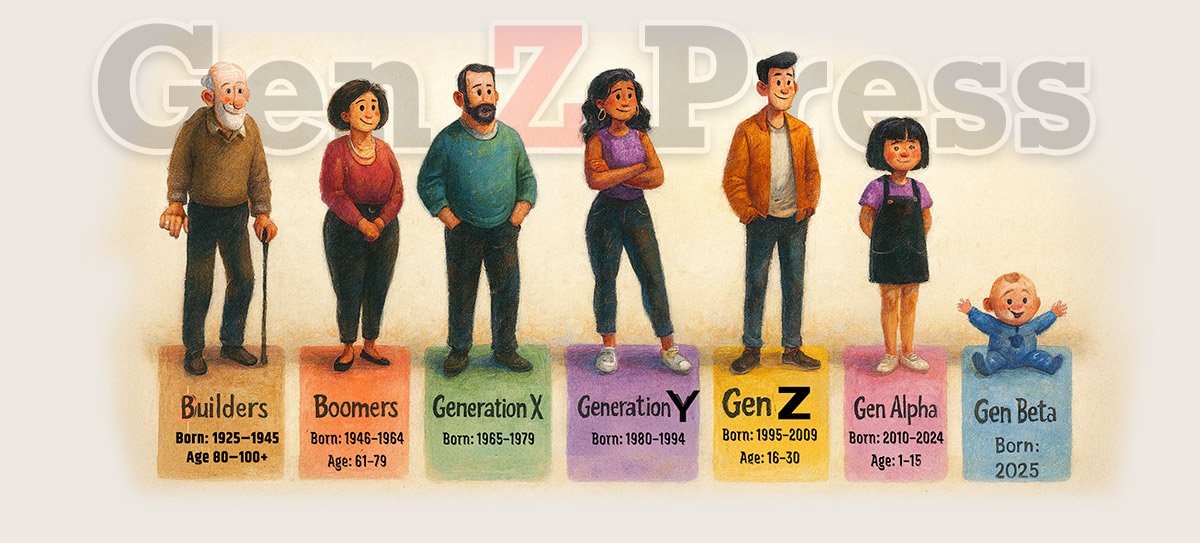
The path into the professional world is uniquely complex for Generation Z, the latest wave of newcomers to the workforce. This generation faces an array of distinct challenges, ranging from high unemployment rates to professional isolation and the looming presence of advanced artificial intelligence (AI).
Many Gen Z individuals who currently hold jobs often work in non-traditional settings, frequently lacking face-to-face access to mentors. This setup can result in greater isolation compared to young people in past generations. David Meintrup, a Korn Ferry Advance career coach, notes that recent college graduates are often “operating in a vacuum” because they aren’t having as many conversations with professionals. Furthermore, many older colleagues they interact with may appear worn down, which may help explain why an overwhelming number of Gen Z workers report that they never aspire to become managers.
For those still searching for employment, the situation is particularly difficult. The job market for young people is notably poor, with unemployment hitting 8.5% for college graduates between the ages of 20 and 24. This figure is more than double the overall unemployment rate. Simultaneously, founders of AI companies have boldly predicted that this technology could eliminate half of all entry-level white-collar jobs within the next five years.
With these pressures mounting, career guidance is critical. Interestingly, three-quarters of Gen Zers report getting career advice from social media, and one-quarter of them have actively sought out and followed career tips generated by ChatGPT. To provide more robust and reliable guidance, Korn Ferry experts have offered essential advice, including both evergreen strategies applicable to any young worker and specific tips tailored for the current Gen Z landscape.
1. Seek Out and Practice the Skills You Desire
Given the difficulty of the current job market, securing employment specifically within a desired field can be extremely challenging. Experts recommend that job seekers find non-traditional ways to intentionally develop the skills they want to master.
For example, if an individual aims for a role in investment management but finds that the only available position is in accounting, they should focus their efforts on their own 401(k). By treating their retirement savings account as a model portfolio—one designed to maximize returns while minimizing risks—they create a tangible item to discuss and potentially share during future job interviews with investment managers. Kate Shattuck, a Korn Ferry managing partner, emphasizes this approach, stating, “Experience is a good teacher. Go get some,”.
2. Pinpoint Your Strengths and Proactively Address Weaknesses
To establish a strong foundation, new professionals should first strive to become proficient in a core area. Marnix Boorsma, a senior client partner in Korn Ferry’s Amsterdam office, advises, “Get good at something first—ideally something hard, useful, and in demand,”.
However, like previous generations, Gen Zers might not yet have a clear understanding of their inherent talents. To gain clarity, professionals should consistently ask for feedback on their work. They need to discover what they are excelling at and identify where improvements are necessary. It is vital to receive negative feedback without taking it personally, instead using it as a direct tool to enhance performance and capabilities.
3. Cultivate Your Professional Network Like Your Social Network
While many Gen Zers dedicate numerous hours daily to expanding their social lives, they typically invest significantly less time nurturing their professional contacts. Experts point out that professional opportunities are far more likely to materialize through these contacts than through simply blanket emailing 100 résumés.
Developing a robust professional network requires strategic action:
- Attend career fairs.
- Join LinkedIn groups related to specific industries.
- Connect with university alumni.
- Follow prominent thought leaders within their chosen field.
Crucially, networking should not be a passive activity. Gen Z should actively use professional platforms, such as LinkedIn, to identify older professionals who hold careers of interest. They should then reach out, asking if the professional has a few minutes to discuss their career journey. During these conversations, job seekers should inquire about the experiences that led the professional to their current role and the necessary skills they have continued to develop. After every meeting, always send a thank-you note and ask if periodic follow-ups would be acceptable. Renee Whalen, Korn Ferry’s North America consumer market leader, stresses the importance of this focused approach: “Be really intentional,”.
4. Master the Art of Speaking and Listening
Many Gen Z professionals recognize a gap in their communication skills. A 2023 poll revealed that a substantial 65% of Gen Zers admit they struggle to make conversation with colleagues. This lack of strong interpersonal skills is concerning, as poor communication can lead to misunderstandings and negatively impact job performance. Although initiating conversations and asking questions can be difficult, these actions are critical for establishing common ground with coworkers.
Listening is equally, if not more, important than speaking. Experts advise Gen Z employees to remain focused on what others are saying, suspend personal judgment, and actively try to understand different viewpoints. By developing both effective speaking and listening skills, Gen Z employees can create better first impressions, strengthen professional relationships, and build a positive professional reputation.
5. Embrace the Power of Patience
Each generation entering the workforce—from Gen Xers to Millennials—has struggled with impatience, and Gen Z is no different. This generation is eager to enact change and achieve perfection instantly. This desire for instant results is often complicated by the fact that many Gen Zers grew up with immediate access to almost anything they wanted—whether it was food, photos, or music—right at their fingertips. While earlier generations learned that the working world operates differently, Gen Z is now encountering this reality.
Dennis Deans, Korn Ferry’s global human resources business partner, reminds professionals that “It’s not all about instant gratification,” and points out that a successful career requires decades to build.
Instead of dwelling on the question, “Why don’t I have this perfect job now?”, professionals should shift their focus to asking, “What skills and experiences can I start acquiring to get a job I really want?”. While attempting to speed things up holds some value, experts highlight the immense value in slowing down and dedicating time to reflect on complex problems. Leadership coaches frequently emphasize that taking a deliberate pause leads to vastly superior decision-making. Additionally, learning to prioritize tasks can significantly help in building patience.
A career is not a microwave dinner that delivers instant results; it’s more like a finely aged wine, requiring years of careful cultivation, patience, and attention to subtle details to reach its full, rich potential.

Gen Z Press delivers trusted and timely global news for the new generation. We bring you world updates, Gen Z trends, entertainment, lifestyle, and digital culture with clarity, simplicity, and accuracy. Stay informed, inspired, and connected with Gen Z Press — your reliable destination for global news and youth-driven stories.
We welcome your opinions at ✉️ letters@genzpress.com