




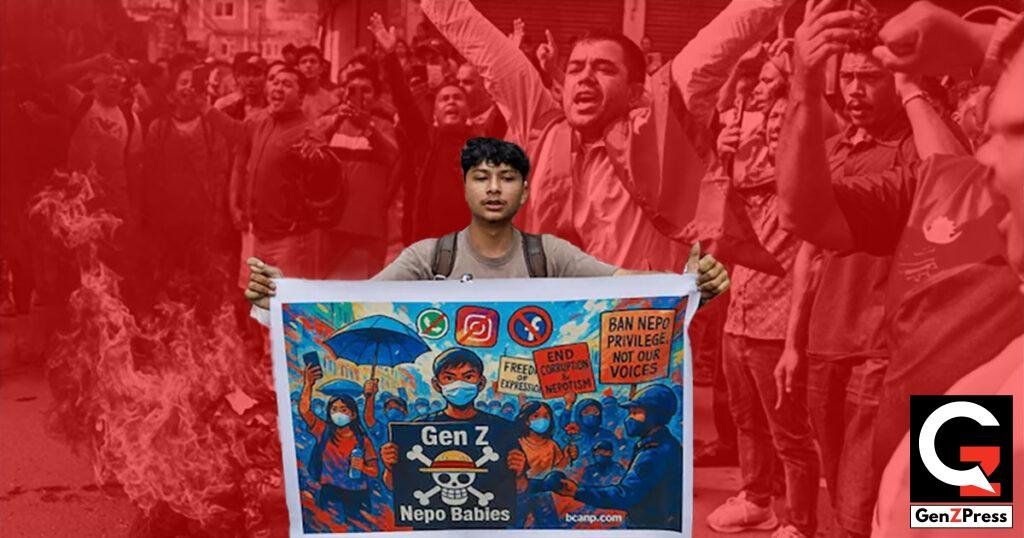
Nepal’s political landscape is facing a significant clash between electoral authorities and international media just days before the country heads to the polls. The Election Commission (EC) of Nepal has officially requested the Press Council Nepal to remove a newly released BBC documentary, sparking a heated debate over press freedom, government accountability, and electoral integrity.
The Controversial Documentary: “Shot Like the Enemies”
On February 26, 2026, the BBC World Service and BBC Nepali Service released a documentary titled “Shot Like the Enemies: Inside Nepal’s Gen Z Uprising”. The film focuses on the intense “Gen Z” protests that took place on September 8 and 9, 2025.
The documentary makes serious allegations, specifically singling out the then Inspector General of Police (IGP), Chandra Kuber Khapung. According to the BBC, leaked confidential police sources suggest that Khapung personally ordered officers to open fire on unarmed protesters. Interestingly, the report notes that the high-ranking political leadership at the time—then Prime Minister KP Sharma Oli and Home Minister Ramesh Lekhak—did not issue such orders.
The Election Commission’s Stand
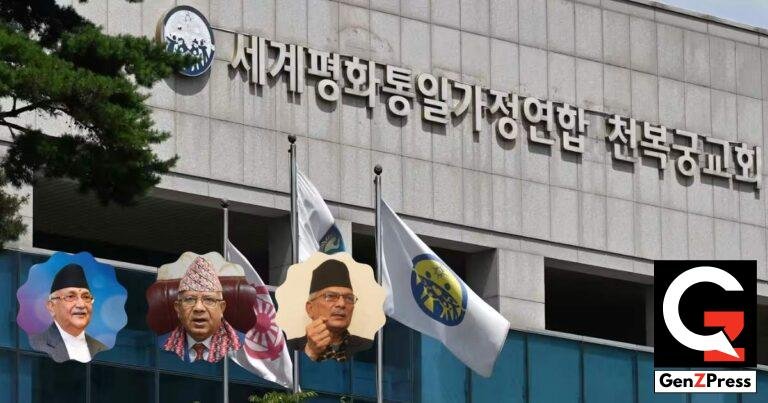
The Election Commission’s intervention is rooted in the timing of the release. With national elections just six days away, the EC argues that the documentary is “controversial” and has the potential to sway voters and influence the electoral process.
Acting Chief Election Commissioner Ram Prasad Bhandari confirmed that a letter was sent to the Press Council on Thursday, February 26, demanding the immediate removal of the video. The EC has warned that failure to comply could lead to legal action under existing election laws.
Key reasons cited for the EC’s request include:
- Suspicious Timing: The documentary was released right before a government commission investigating the suppression of the Gen Z uprising could make its own report public.
- Electoral Influence: Authorities fear the narrative could unfairly prejudice the public against certain candidates or parties during the “silent period” before the vote.
- Geopolitical Concerns: Some figures, such as a commentator named Pokharel, have suggested that the documentary’s timing signals “geopolitical maneuvering” aimed at Nepal’s internal affairs.
Denials and Counter-Arguments
The Nepal Police have strongly denied the BBC’s claims. A police spokesperson refuted the allegation that orders were leaked, maintaining that the use of force occurred only after a curfew was imposed following violent attacks on the parliament building.
From a human rights and media perspective, the EC’s move has met stiff resistance. Media Action Nepal (MAN) has formally condemned the request, labeling it a “clear violation of press freedom”. Laxman Datt Pant, the Founding Chair of Media Action Nepal, argued that while the government can disagree with media coverage, attempting to take down journalistic content interferes with the public’s right to information as guaranteed by the Constitution of Nepal and international treaties.
What This Means for the Upcoming Election
As Nepal prepares for the House of Representatives (HoR) elections, the stakes are incredibly high. The logistics alone are massive:
- 221,000 employees have been deployed for the election.
- Voting will take place across 23,112 polling centers in 165 constituencies.
- Strict measures, including a ban on the sale and consumption of alcohol, are being implemented to ensure a peaceful voting period.
The standoff over the BBC documentary adds a layer of tension to an already complex election cycle. While the Election Commission seeks to maintain a neutral environment for voters, media advocates argue that transparency regarding past government actions—especially those involving the “Gen Z” movement—is essential for a functioning democracy.
Whether the Press Council Nepal will comply with the EC’s demand or stand by the principles of editorial independence remains to be seen. What is clear is that the “Gen Z Uprising” remains a defining and polarizing moment in modern Nepali politics.

Gen Z Press delivers trusted and timely global news for the new generation. We bring you world updates, Gen Z trends, entertainment, lifestyle, and digital culture with clarity, simplicity, and accuracy. Stay informed, inspired, and connected with Gen Z Press — your reliable destination for global news and youth-driven stories.
We welcome your opinions at ✉️ letters@genzpress.com