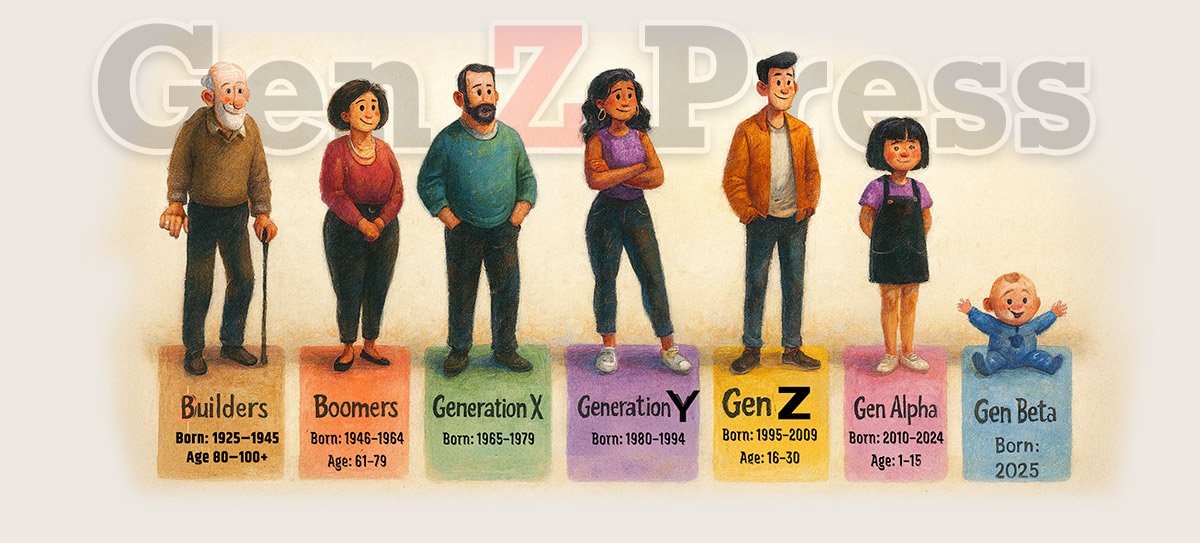






Generation Z (born between 1997 and 2012) stands at a crucial crossroads in the history of belief. This analysis suggests that while centuries ago, belief in God formed the bedrock of identity and community, today, particularly in West, that foundation is visibly cracking. Gen Z is recognized as the least religious generation in modern history. However, this profound shift does not signal the end of faith; rather, it marks a significant transformation and the birth of a new kind of belief.
What we are witnessing is not a spiritual void, but a massive cultural change where young people are actively searching for meaning elsewhere.
The Great Institutional Breakup
What is driving this widespread move away from organized structures? The sources highlight three core factors:
- Trust in Data, Not Doctrine (Education and Science): Gen Z is statistically more educated and scientifically literate than previous generations. They prioritize data and evidence over traditional doctrine. Existential questions—which were once the sole domain of religion—are now explored through psychology, physics, and philosophy.
- Crisis of Credibility: Many religious institutions have lost moral authority in the eyes of Gen Z. This loss of faith stems from various issues, including rigid stances on LGBTQ+ rights and deeply damaging events like child abuse scandals within the religious institutions.
- Individualization of Belief: For Gen Z, religion is no longer automatically inherited. Unlike previous generations, they are actively building their own belief systems, resulting in family traditions playing a smaller role in shaping their religious identity.

The Rise of Spiritual Individualism
Despite the widespread disaffiliation from organized structures, Gen Z is far from spiritually void. Instead, they are defining their own paths, leading to the rise of spiritual individualism.
A substantial majority still maintain faith in a higher power. A Research indicates that over 60% of Gen Z believe in a higher force, fate, or spiritual energy, even while they explicitly reject traditional organized religion.
This personalized spirituality manifests in practices that offer therapeutic alternatives to traditional rituals. Instead of engaging with pews and prayer books, Gen Z turns to modern tools and practices:
- Astrology and Divination: Tarot decks and astrology memes have become increasingly popular.
- Mind-Body Practices: Mindfulness, breathwork, and meditation apps are gaining traction.
- Energy Focus: Practices like “energy healing” resonate with many.
In this new landscape, faith is highly fragmented, personalized, and often commodified. Digital content creators, rather than established religious leaders, often guide Gen Z’s spirituality.
Defining the Post-religious World: The Soul’s Playlist
The future of faith in Gen Z, often described as “post-religion,” will likely be characterized by curated belief systems—a hybrid blend stitched together from elements of Buddhism, spirituality, psychology, and pop culture.
This spirituality has four defining features:
- Selectivity: Young people adopt spiritual elements that personally resonate with them. They might choose “crystals here, karma there,” selecting only what fits their worldview.
- Utility: Beliefs are often chosen for their emotional value and functional purpose, rather than their claim to eternal truth. If a belief system helps calm anxiety or build resilience, it is considered to “work”.
- Identity-Building: Spirituality becomes a means of shaping one’s persona, both online and in real life.
- Hybridization: Practices blend seamlessly with digital life, allowing for modern adaptations such as meditation apps, AI-guided prayer, or even VR pilgrimage.
The Digital Paradox: Technology as the New Priesthood
Digital life plays a complex and paradoxical role in Gen Z’s spiritual journey. Technology acts as both a facilitator and a fragmenter of belief.
On one hand, technology enables mediated belief: religious content is widely consumed online through platforms like YouTube (for sermons), Bible apps, and WhatsApp prayer groups. In some cases, technology can genuinely enhance spiritual connection.
On the other hand, the digital environment also promotes superficiality and distraction. Platforms like TikTok constantly pull attention away from deep reflection. This algorithmic environment can reduce faith and spirituality to 60-second fragments. As one researcher noted, “Gen Z scrolls through spirituality the way others once walked through cathedrals”. Furthermore, spiritual and religious figures must now compete with lifestyle influencers for attention, with some blending faith promotion alongside fashion and fitness advice.
Polarization: Devout Minorities vs. Radical Atheists
While the mainstream trend is moving toward spiritual minimalism, two subgroups are moving in opposite ideological directions, leading to a growing divide:
- Substantial Commitment in Minority Faiths: In certain countries, such as France and Germany, young Muslims often show stronger religious engagement compared to their secular peers. For these individuals, religion serves dual roles: it acts as a cultural anchor and a source of resistance against assimilation.
- The Rise of Radical Atheism: Conversely, a segment of Gen Z is militantly secular. This group views all forms of religion as either superstition or oppression. Online spaces frequently amplify these voices, reinforcing the view that belief is irrational.
Why This Transformation Matters
Understanding how Gen Z approaches faith is essential for institutions across society.
- For Faith Institutions: The primary challenge is not merely modernization but maintaining relevance and authenticity. Gen Z seeks authenticity, inclusion, and psychological relevance over rigid dogma.
- For Education: Religious education must evolve into spiritual literacy. This means exploring how meaning, ethics, and identity are formed across diverse belief systems.
- For Brands and Media: There is a significant overlap between wellness, fashion, and entertainment with spiritual narratives. Recognizing this intersection can unlock new, meaningful forms of engagement with the generation.
Gen Z is not causing the death of faith; they are simply its remixers. In their curated world, belief is akin to a personalized playlist—shuffled, customized, and sometimes skipped. Yet, beneath all the apps and hashtags lies the same enduring, timeless question: What gives life meaning?. That question persists, whether asked through a breathing exercise, a trending hashtag, or a traditional vedic verse.
Analogy to aid understanding: Gen Z’s approach to faith is like ordering a customized meal at a modern restaurant. Previous generations ate the set menu offered by the institution . Gen Z, however, prefers to order à la carte, selecting specific ingredients (mindfulness, karma, astrology) based on their perceived utility and taste, blending them into a personalized dish that serves their current needs (anxiety reduction, identity building).

Gen Z Press delivers trusted and timely global news for the new generation. We bring you world updates, Gen Z trends, entertainment, lifestyle, and digital culture with clarity, simplicity, and accuracy. Stay informed, inspired, and connected with Gen Z Press — your reliable destination for global news and youth-driven stories.
We welcome your opinions at ✉️ letters@genzpress.com