




The Digital Divide: How Cultural Fragmentation is Reshaping Gen Z and Gen Alpha Identity
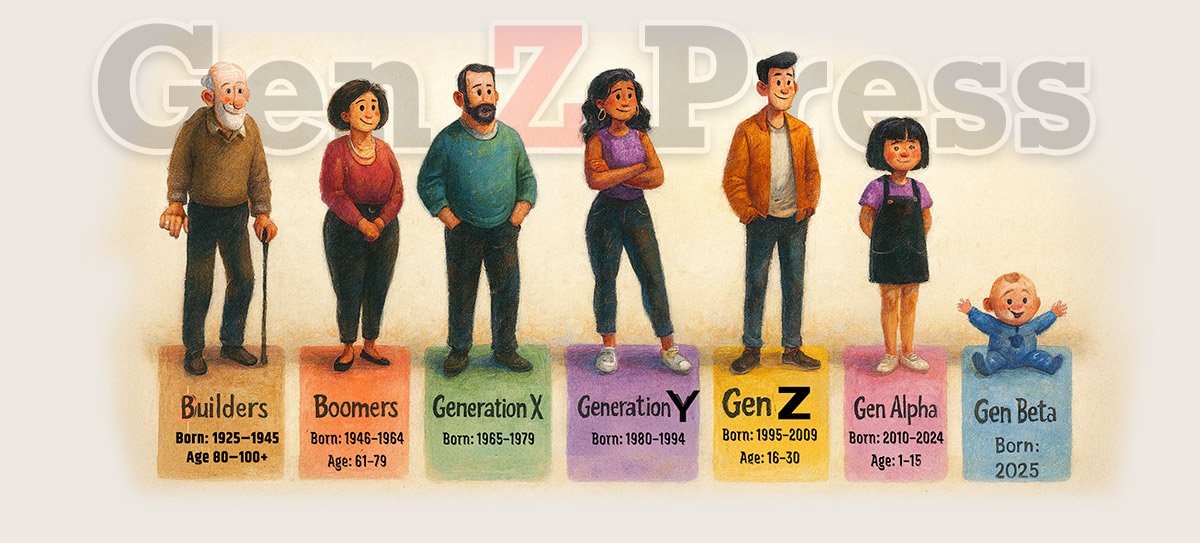
In our globally connected age, one might logically assume that cultures would converge, values would align, and perspectives would harmonize. Yet, paradoxically, the opposite is happening. Digital ecosystems are fostering cultural fragmentation at an unprecedented scale, fundamentally altering how Generation Z (1995–2010) and Generation Alpha (2010–2024) form their identities, engage with society, and understand the world around them.
This fracturing of shared reality isn’t a flaw in the system—it is the system’s new logic of identity.
Understanding Cultural Fragmentation and the Rise of Micro-Communities
Cultural fragmentation refers to the splintering of previously shared cultural narratives into micro-communities defined by algorithmic curation. In previous decades, unifying cultural experiences were supplied by centralized sources like national television, local communities, and traditional religious institutions. Today, platforms such as TikTok, Instagram, and Discord function as new digital enclaves. These groups act as “tribes” that develop their own distinct slang, follow specific influencers, and interpret global events through a highly specialized lens.
This shift has profoundly impacted how young people receive information. A survey revealed that 72% of European teens aged 12–18 consume news primarily through social media, relying heavily on peer recommendations and online creators rather than traditional institutions. This exposure leads to hundreds of reinforcing narratives instead of a singular, shared story, solidifying different values and “truths”.
Digital Ecosystems: Villages Without Bridges
The mechanism driving this division is the algorithm itself. Platforms like TikTok excel at showing users content based on their past preferences, a process that effectively walls them into ideological and aesthetic silos. Scholars refer to these personalized realities as “filter bubbles,” which erode shared understanding and prevent exposure to differing viewpoints.
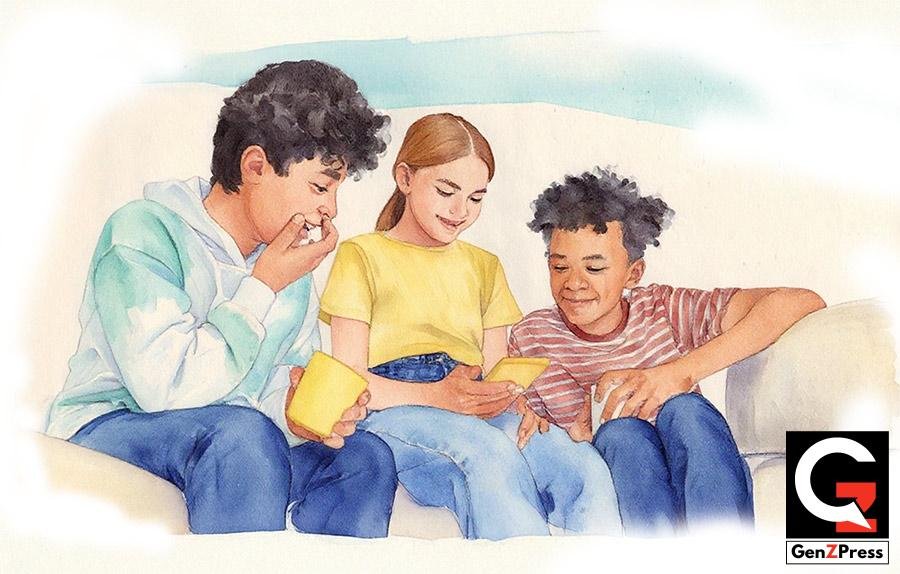
For Gen Z and Gen Alpha, digital identity is becoming tribe-first. A young person may feel a stronger sense of belonging or affiliation with a niche hashtag like #BookTok or even #TradWife than they do with their immediate neighborhood or national culture. This emotional shift is significant: a 2023 European Youth Forum study found that 63% of European teens feel more emotionally connected to their online communities than they do to their local physical environments.
The Consequences: Identity as a Performance
In this digitally saturated environment, selfhood is increasingly “performed”. Platforms invite young individuals to actively construct, curate, and broadcast their identity through fashion choices, content creation, or group affiliations. This performance has multiple psychological and cultural consequences:
- Self-Comparison and Mental Health: Constant exposure to the carefully curated and idealized lives of others fosters significant comparison anxiety. For many, their identity transforms into a personal brand that must be maintained and validated. Research from the 2023 European Media & Youth Report indicates that while social media allows for experimentation, it also exposes young people to potentially harmful validation loops and identity crises.
- Language Evolution: The digital habitat molds how Gen Z and Alpha communicate. Gen Z’s dialect often relies on text-heavy, meme-driven slang, while Gen Alpha communicates through a more visual native dialect of emojis, GIFs, and filters.
- Consumer Identity: Shopping transcends mere necessity and becomes a potent form of self-expression and identity performance. Everything from personalized sneakers to Non-Fungible Tokens (NFTs) is utilized as a means to broadcast allegiance and belonging to a specific micro-community.
Polarization and the Generational Disconnect
Digital fragmentation does not just organize subcultures; it deepens political and generational fissures. This segmentation often occurs without dialogue. For instance, in Germany, online youth movements are observed to be split between movements focused on environmental activism, like #FridaysForFuture, and movements focused on conservative pride, such as #Heimatliebe, with the groups rarely intersecting. This leads to cultural polarization becoming the new normal.
This deep societal fracturing is keenly felt by older generations. An Ipsos survey from 2024 revealed that 59% of European parents feel disconnected from their children. They often struggle to understand the language, values, or behaviors that have been shaped by their children’s hyper-specific digital microcultures.
Who Shapes the Fragmented Landscape?
This current reality is shaped by several key actors:
- Platforms: Tech companies operate on an attention economy, prioritizing engagement over reflection. Algorithms are designed to serve content that sustains that engagement, thereby reinforcing the existing tribal dynamics.
- Parents: Many parents are digital immigrants who lack the necessary tools or experience to effectively guide their children through identity-building in a world that is often gamified and always-on.
- Educators: Few school systems directly address the issue of cultural fragmentation. Finland stands out as a notable exception, actively embedding essential digital literacy and media analysis into its early education curriculum.
The Digital Paradox: Activism and Solidarity
While fragmentation poses clear risks, it also serves as a critical resource, particularly for marginalized youth. The digital landscape has enabled young people to find crucial solidarity, visibility, and a collective voice.
Digital leadership is flourishing, with Gen Z utilizing platforms to promote civic action, lead peer education, and spark global conversations on vital issues such as climate, race, and gender. Teen-led digital movements have successfully mobilized thousands across countries like France and Spain for solidarity campaigns, petitions, and physical protests.
However, the line between constructive activism and an echo chamber remains precarious, as algorithms tend to amplify messages based on popularity rather than nuance or factual truth.
Building Bridges in the Digital Village
The fundamental paradox remains: fragmentation empowers identity while simultaneously eroding common ground. The challenge is not to mandate a return to a single, monolithic narrative, but rather to ensure the digital village doesn’t devolve into a modern-day “Tower of Babel”.
Gen Z and Gen Alpha can become essential bridge-builders, but they require specific tools:
- Enhanced Digital Literacy: Education must go beyond basic fact-checking to include fostering emotional awareness and critical inquiry regarding online content.
- Cross-Community Dialogue: It is vital to encourage structured dialogue, both online and offline, to expose young people to a range of ideological diversity.
- Cultural Humility: Adults must model and teach cultural humility—the understanding that not every deeply held belief must be defensively protected, but some must be openly explored.
Ultimately, cultural fragmentation is integral to the digital system. For Gen Z and Alpha, it presents both a significant risk and a powerful resource. Whether digital identity remains merely a performance or evolves into a path toward empathy depends entirely on how society chooses to educate, engage, and empower these next generations. The future is not destined to be tribal by default, but it can be united by design.
Understanding the Challenge Through Analogy:
Cultural fragmentation operates much like a giant digital library where everyone is assigned a reading list perfectly tailored to confirm their existing interests. You become an expert in your tiny section, reading deep into #BookTok or #Heimatliebe, but because the library walls are algorithms, you never accidentally browse the sections read by others. While you gain profound specialized knowledge and community, you lose the shared language and context needed to chat with someone reading a completely different set of books across the aisle. The challenge now is to teach everyone how to climb the shelves and build bridges to the other aisles.

Gen Z Press delivers trusted and timely global news for the new generation. We bring you world updates, Gen Z trends, entertainment, lifestyle, and digital culture with clarity, simplicity, and accuracy. Stay informed, inspired, and connected with Gen Z Press — your reliable destination for global news and youth-driven stories.
We welcome your opinions at ✉️ letters@genzpress.com