





The Gen Z Parent’s Guide to TikTok: Understanding the TikTok Culture
If you are a parent of a Gen Z teenager, you have likely experienced the moment when their eyes are glued to their phone, laughing at a fleeting clip, perhaps mentioning an “NPC moment,” and then declaring, “You wouldn’t get it”. This sentiment—that the world inside their phone feels utterly foreign—is common among Generation Z parents navigating the rapidly evolving landscape of social media.
The reality is that TikTok is more than just viral dances and memes; it is fundamentally reshaping how young people communicate, learn, and form opinions. Given the platform’s enormous influence, the critical question for parents is not whether to ban or ignore it, but how they can begin to understand it.
The Scale of TikTok Across Europe
TikTok’s reach is massive, particularly in Europe, where the platform boasts 238 million users. Usage statistics underscore just how central the app is to Gen Z life:
- In Germany, over 53% of Generation Z actively use TikTok.
- A 2023 study in Spain revealed that 1 in 5 adolescents spend more than two hours daily on the platform, with usage being even higher among girls.
How TikTok Captured the Next Generation
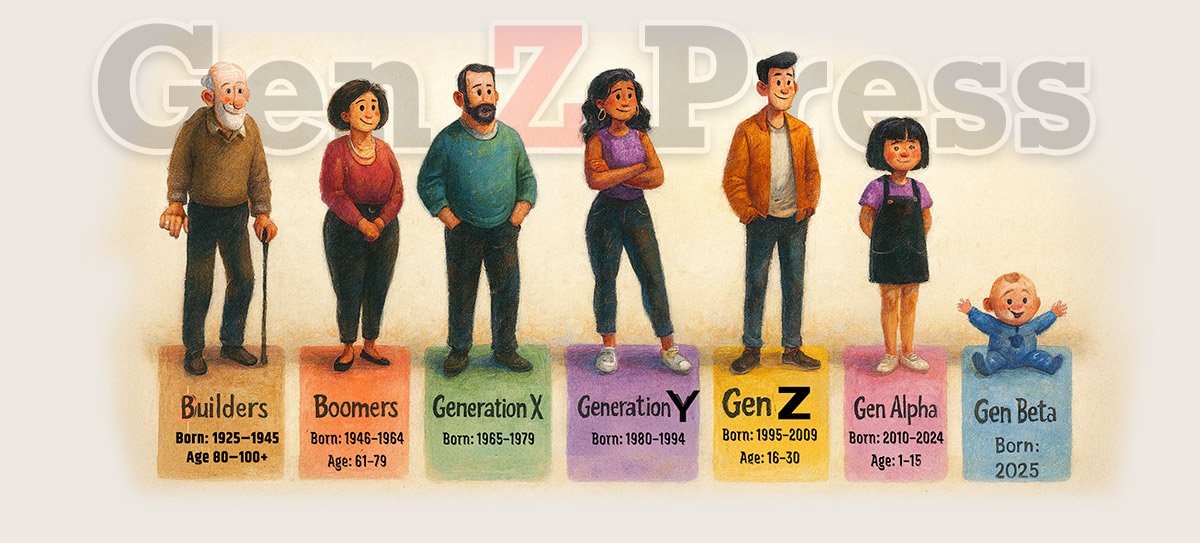
Each generation adopts its own primary digital space. Gen X utilized email and early forums, while Millennials embraced the structured environment of Facebook. However, Gen Z operates in a fragmented, real-time digital world.
For them, older platforms often miss the mark:
- Facebook is largely viewed as the platform for their parents.
- Instagram is seen as prioritizing excessive curation over spontaneity.
- X (formerly Twitter) is considered too text-heavy, despite its focus on news.
- Snapchat remains culturally peripheral and private.
TikTok successfully surpassed Meta’s platforms among young users because of its unique logic: you don’t follow the content; the content follows you.
The Psychology of the “For You Page” (FYP)
The true engine of TikTok’s dominance is the “For You Page” (FYP), which is a personalized, algorithm-driven feed. A user does not need to follow anyone to receive tailored content. The app quickly learns individual preferences and serves content accordingly.
Sociologists often compare the FYP experience to being in a digital casino. Each swipe up provides instant novelty, similar to pulling a slot machine lever. This psychological loop is incredibly effective, often causing users to lose track of time, resulting in hours vanishing unnoticed. This raises crucial questions about the level of control young users have over their digital consumption.
Why Parents Can’t Simply Share a Feed
The best way for a parent to grasp TikTok culture is to try the app themselves. However, parents must be prepared for a profound realization: they will not see what their child sees.
Because the algorithm tailors the FYP uniquely for every user, there is no such thing as a “universal TikTok”. A parent might see content focused on cooking hacks or travel vlogs, while their teen’s feed might be filled with beauty content, memes, or gaming clips. This creates distinct algorithmic bubbles. Consequently, parental supervision becomes complex, as parents cannot oversee a shared feed; instead, they must understand how the unique feed is shaping their child.
Navigating the Risks and Safety Dilemmas
Despite its engaging nature, TikTok presents several risks that parents must address:
- Screen Addiction and Mental Health: The extensive time commitment, particularly the statistic that 1 in 5 Spanish adolescents spends over two hours daily on the app, contributes to higher levels of stress and anxiety.
- Self-Image Pressure: Influencer culture and digital filters often promote unattainable beauty standards, negatively impacting young users’ self-image.
- Misinformation and Echo Chambers: The very nature of the algorithm can create closed echo chambers, inadvertently accelerating the spread of false narratives and misinformation.
- Exposure to Harmful Content: Instances of dangerous content are a serious concern. In 2024, seven families in France sued TikTok, alleging that the platform exposed teens to content related to self-harm and disordered eating.
Moving from Confusion to Connection: Actionable Guidance
Rather than issuing a total ban, which can often backfire, parents are encouraged to engage, guide, and set boundaries collaboratively.
Parents can make the platform safer and more beneficial by taking these steps:
- Utilize Family Pairing: This tool allows parents to set mutually agreed-upon screen limits and content restrictions.
- Emphasize Digital Literacy: Teach children how to critically question the content they encounter online, understanding its origin and potential bias.
- Set Boundaries Together: Establish screen time agreements and content rules collaboratively with your teen, avoiding unilateral imposition.
- Show Genuine Curiosity: Rather than simply policing, parents should show interest by following their children’s favorite creators. This demonstrates curiosity, which is key to bridging the gap.
The Unexpected Educational Potential
Despite the controversies, TikTok is increasingly proving to be an unexpected educational tool. Like any tool, its impact depends on how it is used, provided young users are taught to navigate it critically.
Positive educational applications include:
- Language Acquisition: The OECD reports that many teens in Europe are improving their English language skills through TikTok content.
- STEM Engagement: The platform features a dedicated STEM content feed, promoting science and technology learning.
- Career and University Outreach: European universities actively utilize TikTok to connect with and recruit prospective students.
Bridging the Generational Divide
TikTok is far more than a simple app; it functions as a language, a culture, and a crucial lens through which Generation Z views the world. For parents, achieving understanding does not require total immersion or strict control. It means guiding digital habits, not policing them, and remaining curious.
The most effective way to start bridging the generational divide and moving from confusion to connection can begin with a straightforward, non-judgmental request: “Show me that TikTok you liked so much”.

Gen Z Press delivers trusted and timely global news for the new generation. We bring you world updates, Gen Z trends, entertainment, lifestyle, and digital culture with clarity, simplicity, and accuracy. Stay informed, inspired, and connected with Gen Z Press — your reliable destination for global news and youth-driven stories.
We welcome your opinions at ✉️ letters@genzpress.com