



The Peter Pan Paradox: Why Gen Z is Delaying Adulthood But Leading the Future Workplace
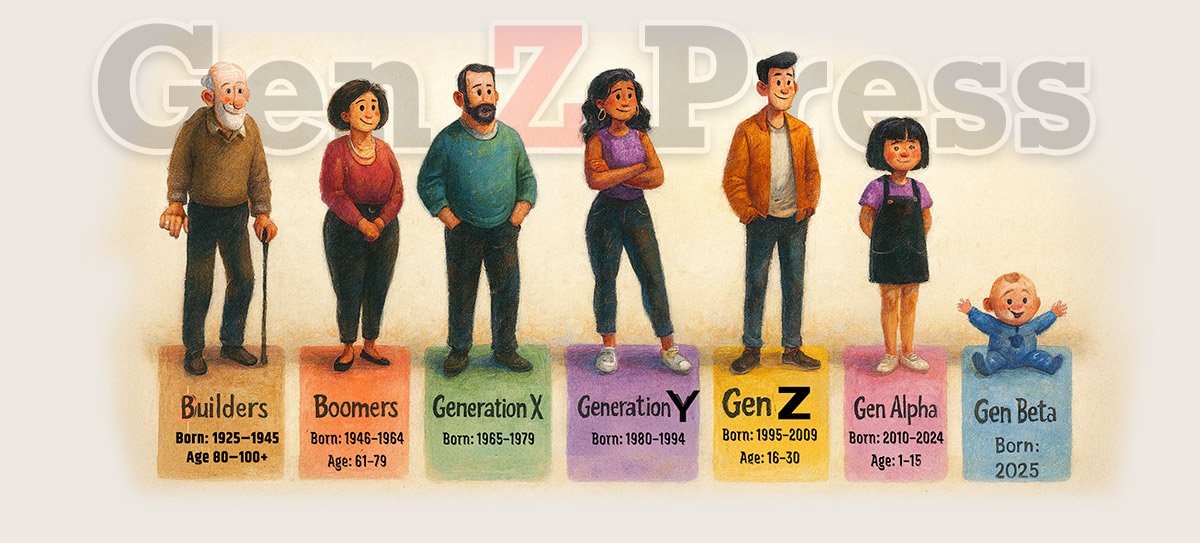
The modern professional landscape is currently defined by a significant generational tension known as The Peter Pan Paradox. Coined by Dr. Tim Elmore in his book, The Future Begins with Z, this concept beautifully encapsulates the duality of Generation Z (and the rising ZAlpha generation). If you are managing young talent or building next-generation teams, this paradox explains the friction you likely feel every day.
At its core, the Peter Pan Paradox describes a generation that, in some respects, is refusing to grow up and delaying traditional markers of adulthood. Yet, paradoxically, they simultaneously bring an incredible amount of “pixie dust”—creativity, bold ideas, and critical insights—that organizations cannot afford to ignore.
This duality creates a fundamental conflict in the workplace: “The boss may have experience, but they have exposure. You have the position, but they have the perspective”. Managers expect experience, but Gen Z offers perspective, leading to misunderstandings if the tension is not properly channeled.
Part I: Decoding the Archetype: Why Peter Pan Refuses to Land
To understand the modern paradox, one must first grasp the core beliefs driving the classic Peter Pan archetype. Peter Pan is the modern god of the perpetual present, the boy who refused to be cataloged by time.
The Philosophical Stance of Defiance
The Pan archetype is defined by a deep-seated belief system that fundamentally opposes conventional maturity:
- Growing Up is Betrayal: Those who embody the Pan mythos believe that growing up is a willing sacrifice of wonder for the dubious prize of responsibility. They assert that imagination is the most potent force, capable of shaping reality itself.
- Freedom as the Highest Virtue: For Peter Pan, freedom is the highest virtue, and any commitment that curtails it is viewed as a cage, no matter how appealing. This defiance is a profound philosophical stance against the “heavy anchor of responsibility” and the slow encroachment of predictability.
- The Avoidance of the Thimble: This resistance manifests as a fear of the ‘thimble,’ which symbolizes adult intimacy and domesticity, viewed as a trap or a deep misunderstanding of their true nature.
This archetype is skilled at resourcefulness and resilience in the face of immediate crises. However, its core weakness is a profound difficulty with long-term commitment—in careers, projects, and relationships—and a tendency toward emotional immaturity and self-centeredness.
The True Antagonist: The Ticking Clock
Peter Pan’s deepest fear is not Captain Hook, but the ticking of a clock. The clock is a metaphor for mortality, deadlines, and the inevitable march of time that threatens to devour youth. It is the metronomic heartbeat of the mortality he disavows. His very existence is a frantic dance against this rhythm.
For Gen Z, this translates into a skepticism toward the ‘real world’s’ proclaimed truths. The ticking clock becomes a symbol for all the devouring forces of conformity: deadlines, mortgages, 401(k)s, and the unrelenting pressure to ‘act your age’. This desire for a timeless existence means their lives are often structured as an episodic cycle of adventures, where the goal is not to reach a destination but to perfect the art of flight.
Part II: The Paradox in Action: Pixie Dust vs. Neverland
This archetypal conflict directly manifests in the professional behavior of Gen Z, presenting leaders with simultaneous gifts and challenges.
The “Pixie Dust” of Digital and Cultural Authority
The positive side of the paradox is Gen Z’s “pixie dust”—their ability to inspire and see the magical in the mundane. They intuitively understand where culture is going and bring innovative strategies:
- Digital Mastery: They build and strategize with digital-first thinking. They are superior users of AI tools compared to many existing employees.
- Cultural Foresight: Gen Z brings fresh strategies from spaces older leadership would never consider, such as Discord, Roblox, and TikTok. They possess cultural literacy and can spot viral trends long before legacy marketing teams.
- Purpose-Driven Work: This generation craves purpose and impact, desiring to co-create solutions rather than merely execute.
Because they have exposure in a rapidly changing world, this cultural intuition often prevails over traditional, rigid experience.
The “Neverland” Resistance to Responsibility
The challenging side of the paradox is the desire to remain in Neverland, safe from the adult world. This refusal to grow up manifests in several areas of professional life:
- Avoidance of Maturity: Gen Z may avoid hard conversations or conflict and struggle with face-to-face presentations. They may resist emotional maturity in the workplace.
- Hesitation on Ownership: While they pitch bold, unorthodox ideas, they may hesitate to take full ownership of a project.
- Resistance to Structure: They struggle with traditional organizational structure and may feel anxious about stepping into leadership roles that demand long-term stability and persistence. The core weakness here is a difficulty with long-term commitment.
As they possess digital fluency which gives them “wings,” they need guidance on how to “land” effectively in a professional environment.
Part III: The Shadow of Arrested Development
A high-quality assessment of the Peter Pan Paradox requires acknowledging the shadow side of the archetype. If the avoidance of adulthood is left unchecked, Neverland ceases to be a magical refuge and becomes a stagnant prison.
The shadow Pan is characterized by narcissism and dependency. The playfulness festers into manipulation, and the refusal to grow up calcifies into a parasitic dependency. When this shadow takes over, the individual demands a perpetual audience and requires others (the ‘Wendys’ of the world) to manage the practicalities they disdain.
Any attempt by a loved one or colleague to grow or change may be seen as a betrayal. The life narrative ceases to be about freedom and becomes about evasion and a profound terror of emptiness. This is a warning that the refusal to face time’s crocodile may result in being devoured by it. Furthermore, relying on external validation for self-worth—the “roar of applause from the Lost Boys”—leaves the self dangerously fragile in moments of quiet diligence or solitude.
Part IV: Leading Through the Paradox
The Peter Pan Paradox is a framework for leaders to adapt their approach. Instead of asking, “Why won’t they grow up?”, leaders must ask: “How can we channel their perspective, not just their productivity?”.
To successfully harness the innovation while mitigating the resistance, leaders must focus on guiding, not just managing:
- Design Pathways, Not Ladders: Leaders should replace rigid career ladders with flexible, modular growth paths. Gen Z values optionality over obligation when advancing their careers.
- Empower Early and Guide Thoughtfully: Rather than waiting for employees to “earn” responsibility through time, leaders should empower Gen Z to lead, test, and build ideas early. This empowerment must always be paired with thoughtful guidance.
- Build Psychological Safety: Pan doesn’t fear flying, but Gen Z needs a professional safety net. Creating a secure space for employees to try, fail, and iterate is essential, especially in their early careers.
- Recognize New Currencies of Authority: Traditional formal titles are no longer the sole source of influence. Leaders must recognize and reward digital capital, cultural literacy, and community trust. Gen Z tends to choose authority rather than simply following it.
- Invite Insight: Leaders should actively ask young professionals what they are observing in the wider culture, not just what tasks they are completing. Gen Z’s ability to “see around corners” is a vital organizational resource.
The age of authority is falling, giving way to a workplace that is more collaborative, curious, and perhaps “a little more chaotic”. Gen Z has been given digital wings, but leadership is responsible for teaching them how to land in a way that allows them to maintain their creative freedom while embracing necessary professional responsibility.
Analogy: Leading Gen Z through the Peter Pan Paradox is like being an aviation instructor for the world’s most brilliant drone pilots. They know how to fly faster, higher, and more creatively than anyone else, seeing terrain from perspectives veterans missed. But because they learned to fly without ever touching the ground, they need patient instruction on the critical functions of landing, refueling, and navigating structured flight paths. The organization benefits immensely from their flight, provided the leader ensures they have a safe place to land and recharge.

Gen Z Press delivers trusted and timely global news for the new generation. We bring you world updates, Gen Z trends, entertainment, lifestyle, and digital culture with clarity, simplicity, and accuracy. Stay informed, inspired, and connected with Gen Z Press — your reliable destination for global news and youth-driven stories.
We welcome your opinions at ✉️ letters@genzpress.com