



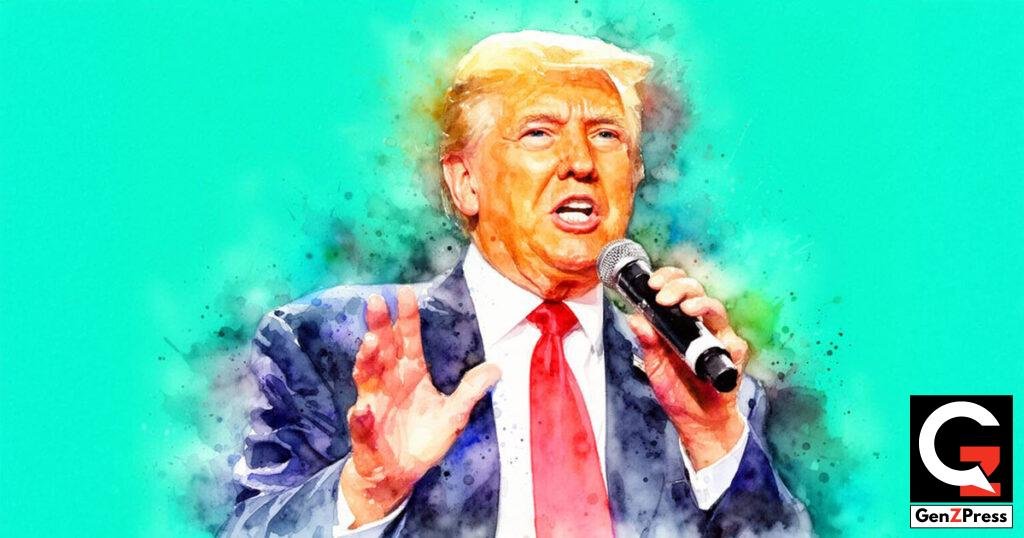
Time’s running out—or so Donald Trump says. And when a U.S. president talks like that, people tend to listen, even if they roll their eyes while doing it.
From Washington came a blunt message aimed squarely at Tehran: make a deal on the nuclear program, and do it fast. According to Trump, the clock isn’t just ticking—it’s practically screaming. He paired the warning with something far less abstract: a massive U.S. naval strike group, already stationed in the Gulf, now “moving with speed, strength, and serious intent” in Iran’s direction. Those were his words. Dramatic? Yes. Empty? Hard to say.
Either way, the temperature across the Middle East jumped a few notches.
Iran didn’t exactly blink. Instead, Foreign Minister Abbas Araghchi fired back with language just as loaded, if not more so. Iran’s armed forces, he said, are sitting with their fingers on the trigger—ready, alert, waiting. Any attack by land or sea would be met instantly, and forcefully. No hesitation. No ambiguity. That kind of talk doesn’t calm waters; it churns them.
This standoff, of course, isn’t new. Iran has long insisted its nuclear program is peaceful—energy, medicine, research, the usual list. The United States and its allies remain unconvinced, arguing that Tehran is edging toward nuclear weapons capability. Same argument. Different year. But Trump’s latest warning didn’t arrive in a vacuum. It followed, rather uncomfortably, on the heels of a brutal crackdown inside Iran itself.
What began as protests over a collapsing currency—ordinary people angry about prices, wages, the cost of living—quickly snowballed into something bigger. Much bigger. Soon, it wasn’t just about money. It was about legitimacy. Authority. The very grip of Iran’s religious leadership. Trump, never one to miss a moment, publicly voiced support for the protesters, tossing out a vague but tantalizing promise: help is coming. What kind of help? He didn’t say. He rarely does.
Meanwhile, the human toll keeps climbing. And it’s ugly.
According to the U.S.-based Human Rights Activists News Agency, protests that flared up in late December have already left at least 6,301 people dead, including 5,925 demonstrators. Those are confirmed figures, they say. Confirmed. Even more chilling are the reports still being investigated—up to 17,000 additional deaths allegedly occurring during periods when the internet was shut down, information sealed off from the outside world like a locked room.
Norway-based Iran Human Rights paints an even darker picture. Their estimate? The death toll may have crossed 25,000. Let that number sit for a second. Twenty-five thousand. If that doesn’t make you pause, maybe nothing will.
So here we are. Warships cutting through Gulf waters. Protesters buried at home. Leaders trading warnings like poker chips. Clouds gathering, thick and low, over a region that knows all too well what storms can do.
And the rest of the world? Watching. Waiting. Wondering—quietly, nervously—what breaks first.

Gen Z Press delivers trusted and timely global news for the new generation. We bring you world updates, Gen Z trends, entertainment, lifestyle, and digital culture with clarity, simplicity, and accuracy. Stay informed, inspired, and connected with Gen Z Press — your reliable destination for global news and youth-driven stories.
We welcome your opinions at ✉️ letters@genzpress.com