




Understanding Generation ZAlpha
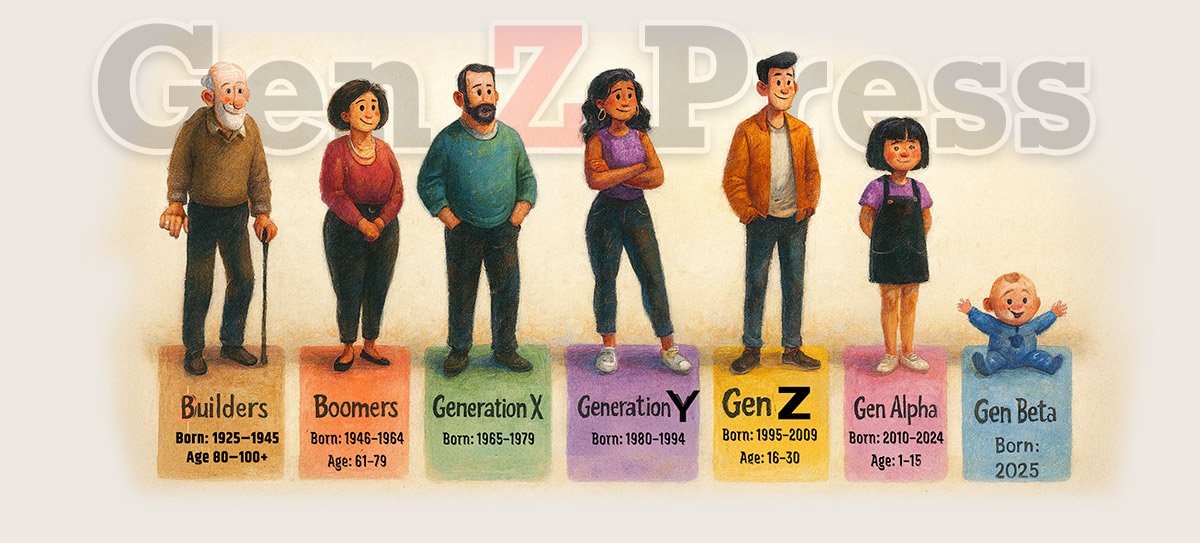
In an era where technological and cultural shifts unfold at unprecedented speed, a distinct group of young people is navigating a complex transition: Generation ZAlpha. This microgeneration is generally defined as those born on the cusp of Generation Z and Generation Alpha. While Generation Z spans individuals born between 1995 and 2009, and Generation Alpha includes those born from 2010 to 2024, ZAlpha youth are often identified specifically as those born roughly between 2008 and 2013.
This microgeneration occupies a unique and often challenging space: they are too young to fully belong to the older Gen Z demographic, yet too old to comfortably start anew with Gen Alpha. This silent struggle and position between eras is fundamentally shaping their identity and relationship with the modern world.
Defining the Cusp: A Blend of Digital Eras
The term “Zalpha” describes those who embody a blend of characteristics and experiences from both adjacent generations. Similar to how the term “Zillennial” describes those on the cusp of Generation Z and Millennials (born 1980–1994), ZAlpha represents the critical bridge between Gen Z and Gen Alpha.
Zalphas have inherited the world shaped by the rise of social media (a key aspect of Gen Z’s growth) while simultaneously being born into an environment defined by even more advanced technology, a trait often attributed to Gen Alpha. Observing this “subsect” offers valuable insights into how overlapping generational characteristics combine and contribute to society.
The First True AI Natives
ZAlpha individuals are characterized as the first true “AI natives”. For them, technology is not an exciting new accessory or an “add-on”; it is the fundamental baseline of daily life. They are accustomed to technology from a very early age.
Their formative years were shaped by hyper-accelerated digital tools:
- They grew up influenced by platforms like TikTok rather than earlier social media environments like Facebook.
- They interact with advanced intelligence tools like ChatGPT rather than the first generation of smartphones.
- They are highly comfortable interacting with AI assistants, often treating them “like old friends”.
As a result, Zalphas demonstrate strong digital fluency and adaptability. Smartphones, social media, and various digital devices are an integral part of their lives, making them deeply embedded technology natives. They do not simply “use” technology—they live it, integrating AI into the very fabric of their existence.
The Fractured Search for Belonging
Belonging is a vital component of identity development during adolescence. Yet, for ZAlpha teens today, especially in the European post-pandemic landscape, that sense of collective identity feels increasingly shaky and fragmented.
They find themselves culturally isolated from adjacent groups:
- Older Gen Zs, who are now established university students or young workers, often seem “a world away”.
- Younger Gen Alpha children and toddlers live separate realities that ZAlpha youth cannot fully share.
Caught in this inter-generational gap, ZAlpha youth’s identity search is complicated by global anxieties, including rising inequality, political instability, and climate urgency. This struggle often manifests in visible social dynamics:
- A pervasive sense of social anxiety concerning fitting in.
- Engaging in rapid trend-chasing as they seek signals to define their identity.
- Navigating a hybrid culture that manages to feel simultaneously nostalgic and futuristic.
Activism Fatigue and Shifting Values
Unlike some older members of Gen Z who may have been energized by early utopian internet dreams or social revolution, ZAlpha teens tend to be more skeptical. Relentless exposure to social, ecological, and political crises has fostered a significant sense of activism fatigue within this microgeneration.
While they care deeply about serious issues, they often approach them with an ironic detachment, managing their hopes carefully to “avoid heartbreak”.
Their values are expected to be an amalgamation of influences:
- They inherit Generation Z’s focus on social awareness, diversity, and inclusion.
- They also exhibit Generation Alpha’s potential exposure to sophisticated, technologically driven solutions and connectivity.
In terms of future preparation, Zalphas will need to navigate an evolving educational landscape. Their career expectations and learning methodologies will experience significant shifts influenced by the continuous advancements in technology. Their cultural exposure will be exceptionally diverse, combining social, cultural, and entertainment aspects of both Gen Z and Gen Alpha, which further shapes their interests and preferences.
The Blueprint for the Future
It is important to remember that ZAlpha is not a monolith. The marketing world often rushes to create new labels to slice and target youth populations. However, this tendency toward over-labeling risks flattening this vibrant, diverse, and complex population into simplistic stereotypes—such as “screen addicts,” “tech prodigies,” or “climate warriors”.
The real imperative for educators, leaders, and society is not to rigidly define this group, but to listen to them, support their multiplicity, and evolve alongside them.
Ultimately, the ZAlpha experience serves as a blueprint for Europe’s future. Their adaptations reveal critical societal trends:
- Belonging will become increasingly personal rather than collective.
- Identity will be characterized by fluidity, constantly remixing the old and the new.
- The pace of change will continue to pulse faster than in any previous historical era.
By embracing the complexity of ZAlpha—acknowledging their silent struggles and their wild, technological creativity—society gains a better chance of finding a more human and resilient path forward.

Gen Z Press delivers trusted and timely global news for the new generation. We bring you world updates, Gen Z trends, entertainment, lifestyle, and digital culture with clarity, simplicity, and accuracy. Stay informed, inspired, and connected with Gen Z Press — your reliable destination for global news and youth-driven stories.
We welcome your opinions at ✉️ letters@genzpress.com